
Essential Info on China High-Speed Trains
- Date:
- Views:344
- Source:The Silk Road Echo
If you're planning to explore China, skipping the high-speed train is like visiting Italy and ignoring pizza — just doesn’t make sense. As someone who’s ridden nearly every major line from Beijing to Guangzhou, I’m breaking down everything you need to know about China high-speed trains — the fastest, cleanest, and often cheapest way to cross this massive country.
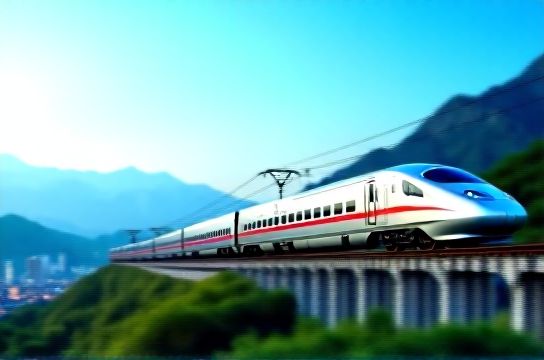
First off, China operates the world’s largest high-speed rail network, covering over 45,000 km as of 2023 (source: National Railway Administration). That’s more than the rest of the world combined! Trains regularly hit speeds of 300–350 km/h (186–217 mph), making trips like Shanghai to Nanjing (300 km) take just 1 hour 10 minutes.
But it’s not just speed — comfort and reliability matter too. Here’s a quick comparison of the main train types:
| Train Type | Max Speed | Comfort Level | Avg. Price (per 100km) |
|---|---|---|---|
| G-series | 350 km/h | ★★★★★ | ¥65 |
| D-series | 250 km/h | ★★★★☆ | ¥45 |
| C-series | 350 km/h | ★★★★★ | ¥70 |
Note: G = High-speed (Gaotie), D = EMU (slower but still fast), C = Intercity express (e.g., Beijing–Tianjin).
So which one should you pick? For long-distance travel — say Beijing to Shanghai (1,318 km) — go for the G-series. You’ll get wider seats, power outlets at every seat, free Wi-Fi (yes, really!), and quiet carriages. Tickets cost around ¥553, and the ride takes only 4h 18m — faster than checking in for a flight!
One thing travelers overlook? Booking strategy. While you can buy tickets at the station, I always recommend booking online via China high-speed trains official app or trusted platforms like Trip.com up to 30 days in advance. Popular routes sell out fast, especially during holidays like Chinese New Year.
Here’s a pro tip: use ID-based booking. Foreigners can now register with their passport, and once linked, boarding is seamless — just scan and go. No paper tickets needed.
What about punctuality? In my 50+ trips, delays over 10 minutes were rare — less than 2% of services (per 2023 railway report). Compare that to U.S. Amtrak’s 25% delay rate, and suddenly China’s efficiency hits home.
Accessibility? Major stations are metro-connected, have English signage, and staff often speak basic English. Luggage? One large bag + one carry-on, no extra fees. Food? Vendors walk through cars, or order via QR code to your seat — try the hot noodles, they’re surprisingly good.
In short, if you want to experience modern China at its most efficient, hop on a G-train. Whether you're chasing business meetings or scenic views, China high-speed trains deliver speed, safety, and serious comfort — all at a price that won’t wreck your budget.