
Beyond the Great Wall: Hidden UNESCO Sites You Must See
- Date:
- Views:247
- Source:The Silk Road Echo
Everyone knows the Great Wall—but did you know China has 57 UNESCO World Heritage Sites? While the Wall gets all the spotlight, there’s a treasure trove of ancient temples, mystical mountains, and forgotten cities waiting to be explored. Let’s dive into some lesser-known gems that deserve your travel bucket list.
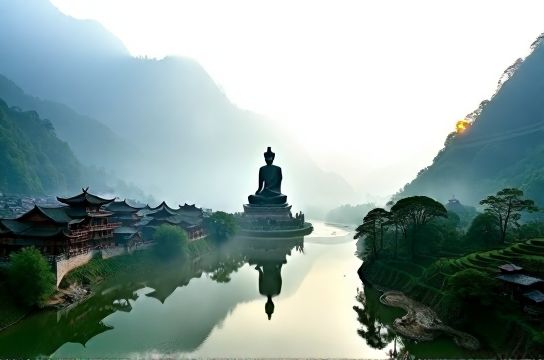
1. Tusi Sites: The Forgotten Kingdoms of Southwest China
Nestled in Hunan, Hubei, and Guizhou, the Tusi Sites reveal the legacy of hereditary tribal leaders who ruled from the 13th to 20th century. These fortified towns blend Chinese and ethnic minority architecture—think stone walls winding through misty hills and ancestral halls echoing with centuries of stories.
Why it’s special: It’s like stepping into a real-life Avatar landscape, minus the crowds.
2. Mount Emei & Leshan Giant Buddha
This sacred Buddhist mountain in Sichuan isn’t just about spiritual vibes—it’s home to the Leshan Giant Buddha, carved into a cliff face during the 8th century. At 71 meters tall, it’s the largest stone Buddha in the world.
| Site | Height (m) | Year Completed | UNESCO Listed |
|---|---|---|---|
| Leshan Giant Buddha | 71 | 803 AD | 1996 |
| Great Wall | N/A | 16th c. (Ming) | 1987 |
| Statue of Liberty | 46 | 1886 | 1984 |
Fun fact: The Buddha’s ears alone are 7 meters long. Yes, really.
3. Honghe Hani Rice Terraces
In Yunnan, the Hani people have sculpted over 13,000 hectares of rice terraces into the Ailao Mountains—some over 1,300 years old. When the sun hits just right, these cascading fields look like liquid gold.
These aren’t just pretty—they’re a masterclass in sustainable farming. The Hani use forest conservation, water management, and communal labor to keep the system alive.
4. Kaiping Diaolou: China’s Wild West Towers
In Guangdong, you’ll find over 1,800 diaolou—fortified watchtowers built by overseas Chinese returnees in the early 20th century. Blending Cantonese, Western, and even Islamic styles, they’re architectural mashups like no other.
Many were used for defense against bandits. Today? They’re hauntingly beautiful relics frozen in time.
Why These Sites Matter
China’s UNESCO spots go way beyond postcard views. They tell stories of resilience, innovation, and cultural fusion. And the best part? Most are blissfully uncrowded compared to the Forbidden City or the Terracotta Army.
So next time you plan a trip to China, skip the selfie lines and chase the quiet magic of these hidden wonders. Your Instagram—and soul—will thank you.