
Mooncakes
- Date:
- Views:216
- Source:The Silk Road Echo
If you've ever wandered through an Asian bakery in autumn, you've probably smelled it — that sweet, nutty aroma wafting from freshly baked mooncakes. These rich pastries aren't just treats; they're edible symbols of reunion, history, and cultural pride. Whether you're a curious foodie or prepping for Mid-Autumn Festival, this guide will take you deep into the world of mooncakes — from ancient legends to modern twists.
The Legend Behind the Lunar Treat
Mooncakes trace back over 3,000 years, but their real fame began during the Yuan Dynasty. Legend says rebels hid secret messages inside mooncakes to coordinate an uprising against Mongol rulers — talk about revolutionary dessert! Today, sharing mooncakes symbolizes family unity under the full moon.
Anatomy of a Mooncake
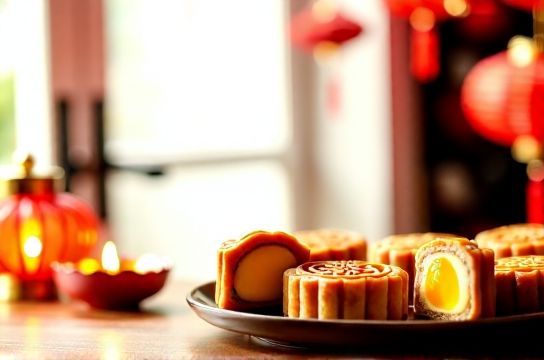
A classic mooncake is more than just pastry. It's a masterpiece of balance: tender crust, dense filling, and often a salted egg yolk at the center representing the moon itself.
| Component | Description | Common Varieties |
|---|---|---|
| Crust | Golden-brown, slightly sweet dough | Traditional (baked), Snow Skin (chilled, glutinous) |
| Filling | Dense, smooth paste or chunky mix-ins | Lotus seed, red bean, taro, five-nut, durian |
| Centerpiece | Salted duck egg yolk (one or more) | Single (classic), double (luxury), none (modern) |
Flavor Evolution: From Classic to Crazy
While traditionalists swear by lotus paste with egg yolk, innovation has exploded. Cities like Hong Kong and Shanghai now offer avocado-lime, matcha-red bean, and even whiskey-chocolate mooncakes. Some bakeries go full gourmet — think truffle oil or foie gras infusions.
Data shows a 40% increase in non-traditional mooncake sales from 2020–2023, according to Asia Food Trends Report. Young consumers drive this shift, craving novelty without losing cultural connection.
How to Enjoy Mooncakes Like a Pro
- Pair it right: Brew a pot of oolong or pu-erh tea — its earthiness cuts through the sweetness.
- Slice smartly: Use dental floss to cut clean pieces without smashing the crust.
- Store wisely: Traditional ones last 7–10 days; snow skin versions need refrigeration and should be eaten within 3 days.
Cultural Impact & Global Reach
Mooncakes have gone global. In cities like San Francisco and Sydney, local bakeries craft fusion versions blending Eastern technique with Western tastes. Even Starbucks and Häagen-Dazs have launched mooncake-inspired items.
Exports of Chinese mooncakes reached $58 million USD in 2023 (China Customs data), proving that this humble pastry packs serious cultural weight.