
Suzhou’s Classical Gardens: Where Nature Meets Chinese Philosophy
- Date:
- Views:245
- Source:The Silk Road Echo
If you've ever dreamed of stepping into a living ink painting, Suzhou's classical gardens are your golden ticket. Nestled in the heart of Jiangsu Province, these UNESCO World Heritage Sites aren’t just pretty green spaces—they’re poetic expressions of ancient Chinese philosophy, where every rock, ripple, and roof tile tells a story.
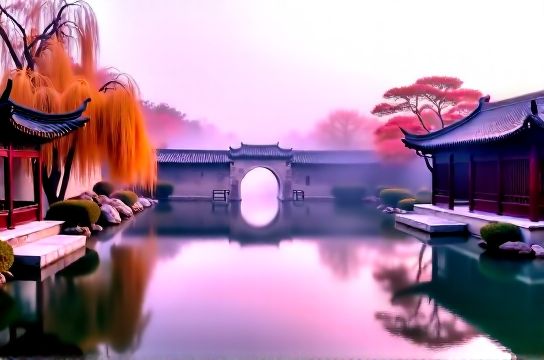
The Art of Balance: Daoism in Every Detail
Suzhou gardens, built mostly during the Ming and Qing dynasties, embody the Daoist ideal of harmony between humans and nature. They follow the principle of ‘though made by man, it seems created by nature’—a mouthful, but pure poetry in practice. Water mirrors the sky, winding corridors tease your sense of direction, and scholar’s rocks (those weathered limestone wonders) symbolize mountains shaped by time and tide.
Take the Humble Administrator’s Garden, the largest in Suzhou. Spanning 5.7 hectares, it uses water to occupy nearly one-third of its area—a deliberate design echoing the Daoist reverence for fluidity and change.
Garden by the Numbers: A Quick Snapshot
| Garden Name | Size (hectares) | Year Built | UNESCO Listed |
|---|---|---|---|
| Humble Administrator’s Garden | 5.7 | 1509 | 1997 |
| Lingering Garden | 2.3 | 1593 | 1997 |
| Master of the Nets Garden | 0.6 | 1740 | 1997 |
| Couple’s Retreat Garden | 0.2 | 1887 | 2000 |
More Than Just Scenery: Symbolism Woven In
These gardens were retreats for scholars and officials, designed not just for beauty but introspection. The Master of the Nets Garden, though tiny, packs a philosophical punch. Its name references a fisherman’s simple life—a nod to Daoist detachment from worldly ambition.
Bamboo? Represents integrity. Lotus ponds? Purity rising from mud. Even the moon gates—perfect circles cut into white walls—symbolize unity and the cyclical nature of life.
Pro Tips for Visiting Like a Local
- Go early: Arrive at opening time (usually 7:30 AM) to beat crowds and catch the mist dancing on lotus ponds.
- Bring a notebook: These gardens inspired poets for centuries—why not jot down your own haiku?
- Wear comfy shoes: You’ll walk over zig-zag bridges and through narrow passageways designed to slow you down—literally and mentally.
In a world that never stops scrolling, Suzhou’s gardens invite you to pause, breathe, and wander with purpose. They’re not just relics—they’re quiet revolutions in mindfulness, one koi pond at a time.