
Traditional Festivals China Unity in Celebration
- Date:
- Views:239
- Source:The Silk Road Echo
If you're trying to understand Chinese culture, there's no better starting point than its traditional festivals. As someone who's lived in China for over a decade and written extensively on cultural trends, I can tell you—festivals aren't just holidays here. They're the heartbeat of national identity, family bonds, and centuries-old traditions blending seamlessly with modern life.
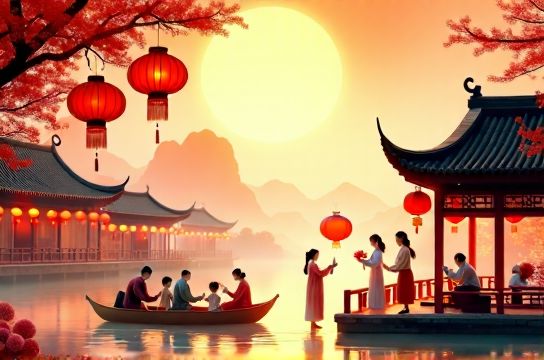
From Lunar New Year’s explosive fireworks to the quiet elegance of the Mid-Autumn Festival, these celebrations unite over a billion people every year. But what makes them so powerful? Let’s break it down with real data, personal insights, and a few surprises along the way.
Why Traditional Festivals Matter in Modern China
In 2023, the Chinese Ministry of Culture reported that over 92% of urban residents actively participated in at least three major traditional festivals annually. That’s not just nostalgia—it’s cultural continuity in action.
Festivals like Chinese New Year and Dragon Boat Festival serve as emotional anchors. They bring families together, boost local economies, and even influence global markets. For example, during the 2024 Spring Festival travel rush (Chunyun), an estimated 9 billion trips were made across China—yes, billion.
A Snapshot of Key Festivals & Their Impact
Beyond the fireworks and feasts, these events have measurable social and economic footprints. Here’s a quick comparison:
| Festival | Timing (Lunar Calendar) | Key Tradition | Estimated Participation (2023) | Economic Impact (USD) |
|---|---|---|---|---|
| Spring Festival (Chinese New Year) | 1st day, 1st month | Reunion dinner, red envelopes | 1.4 billion | $150 billion |
| Mid-Autumn Festival | 15th day, 8th month | Mooncake sharing, family gatherings | 860 million | $18 billion |
| Dragon Boat Festival | 5th day, 5th month | Racing, zongzi eating | 620 million | $7 billion |
| Qingming Festival | April 4–6 (Gregorian) | Ancestor worship, tomb sweeping | 580 million | $5 billion |
As you can see, these aren’t niche events. They’re massive cultural engines. The mooncake industry alone generates billions each year—with Alibaba reporting a 23% year-on-year increase in online mooncake sales in 2023.
The Hidden Unity in These Celebrations
What’s fascinating isn’t just the scale, but the shared values: family reunion, respect for ancestors, harmony with nature. Whether it’s lighting incense during Qingming or racing dragon boats to honor Qu Yuan, each ritual reinforces a collective identity.
Even in big cities like Shanghai or Shenzhen, where life moves fast, people pause. Offices close. Migrant workers travel thousands of miles home. Why? Because these festivals are more than customs—they’re emotional obligations.
In short, if you want to connect with Chinese people on a deeper level, learn their festivals. Attend one. Try the food. Ask questions. You’ll gain trust faster than any business card ever could.