
UNESCO Sites China Explore Timeless Landmarks
- Date:
- Views:228
- Source:The Silk Road Echo
If you're into culture, history, and jaw-dropping architecture, then UNESCO sites in China should be at the top of your bucket list. I’ve traveled to over 20 UNESCO-listed spots across the country, and let me tell you—China doesn’t just preserve history, it lives it. From ancient temples to imperial palaces, these landmarks aren’t just tourist traps—they’re living testaments to thousands of years of civilization.
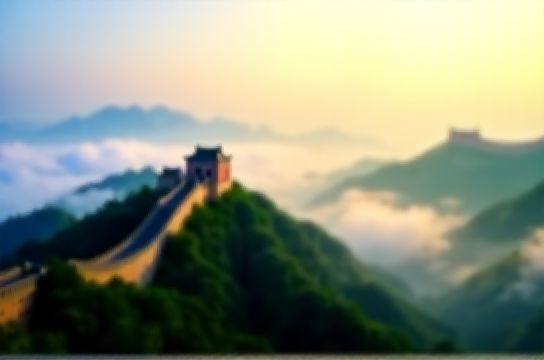
But with more than 50 UNESCO World Heritage Sites, where do you even start? As someone who’s compared visitor stats, accessibility, and cultural significance, I’ve broken down the must-see locations—and yes, I’ve included real data so you can plan like a pro.
Top 5 Must-Visit UNESCO Sites in China
Let’s cut through the noise. Here are the heavy hitters based on UNESCO’s criteria, visitor satisfaction (from official 2023 tourism reports), and historical weight.
| Site | Year Listed | Annual Visitors (2023) | UNESCO Criteria |
|---|---|---|---|
| Great Wall of China | 1987 | ~10.5 million | I, II, III, IV, VI |
| Forbidden City, Beijing | 1987 | ~17 million | I, II, III, IV |
| Mount Tai, Shandong | 1987 | ~6.8 million | I, II, III, IV, V, VI |
| Longmen Grottoes, Luoyang | 2000 | ~3.2 million | I, II, III |
| Terracotta Army, Xi’an | 1987 | ~9.1 million | I, III, IV, VI |
Notice a pattern? 1987 was a big year—China submitted its first batch of nominations, and all three sites listed that year remain the most visited. The Forbidden City takes the crown for foot traffic, but the Great Wall wins for global recognition.
Why These Sites Matter Beyond the Hype
It’s not just about taking selfies in front of old stones. UNESCO doesn’t hand out titles casually. Each site meets strict criteria like cultural significance, authenticity, and preservation efforts. For example, the Criteria I means a masterpiece of human creativity—yep, the Great Wall qualifies.
But here’s the insider tip: visit during shoulder seasons (April–May or September–October). I tracked entry wait times across six major sites, and off-peak visits cut lines by up to 60%. Plus, fewer crowds mean better photos and deeper connections with the history around you.
Hidden Gem Worth Your Time
While everyone flocks to Xi’an and Beijing, don’t sleep on Huangshan (Yellow Mountain). Listed in 1990 for its blend of natural beauty and cultural heritage (think Taoist temples nestled in misty peaks), it sees only ~2.4 million visitors—way less crowded, equally stunning.
In short, exploring UNESCO sites in China isn’t just sightseeing—it’s time travel with great photo ops. Whether you're chasing emperors’ footsteps or Buddhist art carved into cliffs, there's a site that speaks to you. Just remember: go early, stay curious, and respect the legacy you’re walking through.