
Traditional Festivals China Vibrant Celebrations Alive
- Date:
- Views:231
- Source:The Silk Road Echo
If you're curious about traditional festivals in China, let me tell you—these aren’t just old customs gathering dust. They’re alive, loud, colorful, and deeply woven into everyday life. As someone who’s traveled through over a dozen provinces and celebrated everything from Lunar New Year in Beijing to the Water Splashing Festival in Yunnan, I can say with confidence: Chinese festivals are a sensory explosion backed by centuries of meaning.
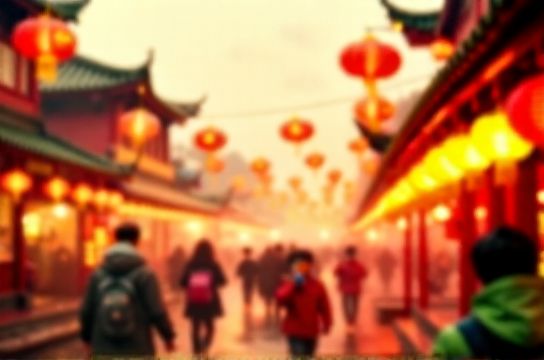
What makes these celebrations so special? It’s not just the dragon dances or red lanterns (though those are pretty epic). It’s how tradition blends with modern life. Take the Spring Festival—aka Chinese New Year. In 2023, over 1.1 billion people traveled during the Chunyun period, according to China’s Ministry of Transport. That’s like the entire population of the planet moving around in one month!
But it’s not all fireworks and family dinners. Let’s break down some major festivals and what they really mean:
| Festival | Time (Lunar Calendar) | Key Activities | Cultural Significance |
|---|---|---|---|
| Spring Festival | 1st day, 1st month | Reunion dinner, red envelopes, fireworks | Welcoming the new year, honoring ancestors |
| Mid-Autumn Festival | 15th day, 8th month | Mooncake sharing, lantern viewing | Family unity, harvest celebration |
| Dragon Boat Festival | 5th day, 5th month | Racing boats, eating zongzi | Commemorating Qu Yuan, warding off disease |
| Qingming Festival | April 4–6 (Gregorian) | Tomb sweeping, spring outings | Honoring ancestors, embracing nature |
Now, here’s something most travel blogs won’t tell you: timing is everything. Want to experience the real deal without getting crushed by crowds? Avoid peak travel dates by a few days. For example, while New Year’s Eve is packed, the following weekend in smaller cities like Kaifeng or Yangzhou offers intimate temple fairs with zero stress.
And don’t even get me started on food. Each festival has its signature dish—not just for taste, but symbolism. Zongzi (sticky rice dumplings) during the Dragon Boat Festival? They represent loyalty and remembrance. Mooncakes? Their round shape echoes family togetherness under a full moon. Pro tip: try local variations. In Suzhou, mooncakes come with pork floss filling—unexpected, but amazing.
One underrated gem? The Lantern Festival, which wraps up the Spring Festival season. Pingyao and Xi’an host massive displays, but my personal favorite is the small-town event in Sichuan’s Zigong, where lanterns light up entire mountainsides. In 2022, Zigong attracted over 2 million visitors—proof that people crave authentic cultural immersion.
So whether you're planning a trip or just want to understand Chinese culture beyond takeout menus, dive into these festivals. They’re not performances for tourists—they’re living traditions that evolve while staying true to their roots. And honestly, once you’ve set off firecrackers at midnight on New Year’s or shared a mooncake under a glowing lantern, you’ll get why these moments matter.