
Celebrate Qingming Festival with Locals in Deep Cultural Travel Style
- Date:
- Views:248
- Source:The Silk Road Echo
If you've ever wanted to experience China beyond the postcard-perfect landmarks, here's your golden ticket: join locals in celebrating the Qingming Festival, also known as Tomb-Sweeping Day. As someone who’s guided cultural travel groups across rural Anhui, Fujian, and Jiangsu for over a decade, I can tell you—this is one of the most authentic ways to connect with Chinese traditions.
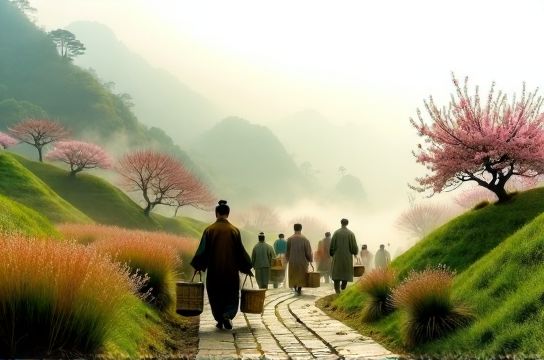
Forget crowded tourist traps. During Qingming Festival, families honor ancestors by cleaning gravesites, offering food, burning joss paper, and sharing stories. But it’s not all solemn—it’s also a spring celebration! People fly kites, enjoy green rice balls (qingtuan), and take nature walks, embracing the saying: “When winter ends, spring begins.”
Why does this matter for travelers? Because Qingming offers rare access to intergenerational family rituals you won’t see any other time of year. According to China’s Ministry of Culture and Tourism, over 120 million people participate in tomb-sweeping activities annually, with domestic travel hitting nearly 150 million trips during the holiday weekend.
Best Places to Experience Qingming Like a Local
While major cities like Beijing and Shanghai observe Qingming, the real magic happens in smaller towns and ancestral villages. Here’s where I recommend going:
| Location | Unique Tradition | Visitor-Friendly? |
|---|---|---|
| Huangshan, Anhui | Ancestral temple ceremonies + tea picking | ★★★★☆ |
| Kunming, Yunnan | Flower offerings at war memorials | ★★★★★ |
| Quanzhou, Fujian | Maritime ancestor worship | ★★★☆☆ |
| Suzhou, Jiangsu | Poetry readings at classical gardens | ★★★★☆ |
Pro tip: Plan at least 6 months ahead if you want to join a family ritual. Many villagers welcome respectful outsiders—especially if introduced through local guides or cultural exchange programs. In my experience, homestays in Huizhou-style villages near Huangshan offer the richest immersion.
And don’t skip the food! Qingtuan, those sticky, jade-green dumplings made from glutinous rice and mugwort, symbolize renewal. Street vendors sell them nationwide, but homemade versions—passed down through generations—are unmatched. Here’s a quick breakdown:
- Shanghai/Suzhou: Sweet red bean paste filling (most common)
- Hangzhou: Lighter texture, floral aroma
- Rural Anhui: Savory versions with bamboo shoots or pork
Participating in Qingming isn’t just about observation—it’s about respect, presence, and connection. Whether you’re laying chrysanthemums on a grave or laughing with kids flying butterfly kites, you’re not just traveling. You’re belonging.