
Follow the Silk Road on a Deep Cultural Travel Adventure
- Date:
- Views:214
- Source:The Silk Road Echo
If you're tired of cookie-cutter tours and want to follow the Silk Road like a true cultural explorer, this guide is for you. As someone who’s led over 30 expedition-style trips across Central Asia, I’ve seen how most travelers miss the soul of this ancient network. Let’s fix that.
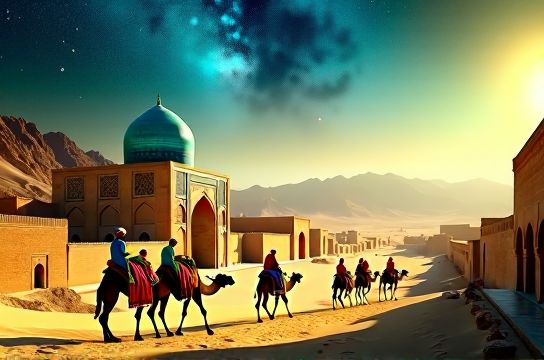
The Silk Road wasn’t just one road—it was a web of trade routes stretching over 4,000 miles from China to the Mediterranean. Today, countries like Uzbekistan, Kyrgyzstan, and Iran preserve stunning remnants—from Samarkand’s turquoise domes to remote mountain caravanserais still used by shepherds.
Why This Route Still Matters
According to UNESCO, over 50 World Heritage Sites line the Silk Road corridor. A 2023 report by the Asian Development Bank found that cultural tourism in Central Asia grew by 18% year-on-year—proof that more travelers are seeking deeper experiences.
But here’s the truth: not all itineraries are equal. Most group tours zip through major cities in 7 days. If you really want to follow the Silk Road with meaning, plan at least 14 days and include off-grid stops.
Top 5 Must-Visit Cities & Cultural Highlights
| City | Country | UNESCO Site | Local Experience Tip |
|---|---|---|---|
| Xian | China | Terracotta Army | Take a morning bike ride along ancient city walls |
| Dunhuang | China | Moreshan Caves | Attend a dusk flute performance in the desert |
| Samarkand | Uzbekistan | Registan Square | Drink green tea with local artisans in the old bazaar |
| Bukhara | Uzbekistan | Kalyan Minaret | Stay in a restored caravanserai hotel |
| Tabriz | Iran | Historic Bazaar Complex | Negotiate for handmade Persian carpets (start at 30% of asking price!) |
Pro Packing Tips No One Tells You
Forget fancy outfits. Bring: a lightweight scarf (for mosque visits), noise-canceling earbuds (overnight trains get loud), and a translation app with offline mode. I use Google Translate with saved phrases like 'Where is the local market?' in Uzbek and Farsi.
Transportation can be tricky. While high-speed rail connects Xi’an to Dunhuang, rural areas rely on shared vans or horseback. In Kyrgyzstan, I recommend joining a nomadic homestay tour—many include yurt-building and eagle hunting demos.
One underrated gem? Merv in Turkmenistan, once one of the world’s largest cities. Today, its ruins are quieter than crowds at Machu Picchu—but just as powerful. Fewer than 12,000 tourists visit annually, according to Turkmenistan State Tourism data.
Bottom line: To truly follow the Silk Road, slow down, talk to locals, and embrace detours. The real treasures aren’t in museums—they’re in shared meals, unexpected conversations, and sunsets over forgotten deserts.