
Cultural Travel China Tips for Meaningful Heritage Exploration
- Date:
- Views:278
- Source:The Silk Road Echo
If you're dreaming of diving deep into China’s rich history and vibrant traditions, you’re not just planning a trip—you’re signing up for a journey through thousands of years of civilization. As a cultural travel blogger who’s wandered from the Forbidden City to remote Yunnan villages, I’m here to share real, actionable Cultural Travel China tips that go beyond the tourist traps.
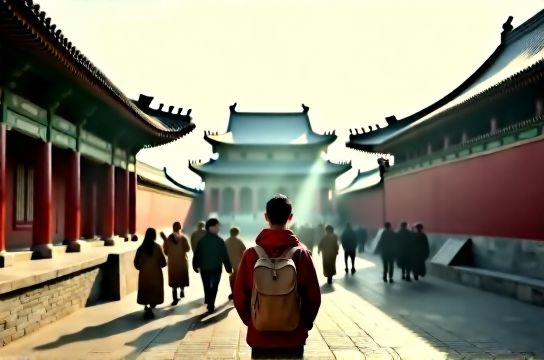
Why Cultural Travel in China Is Unlike Anywhere Else
China isn’t just big—it’s diverse. With 56 officially recognized ethnic groups and over 3,000 years of continuous heritage, every region tells a different story. From Confucian temples to Tibetan monasteries, your experience depends on how deeply you engage.
But here’s the truth: most travelers only scratch the surface. They snap photos at the Great Wall and call it a day. If you want meaningful heritage exploration, you need strategy.
Top 5 Cultural Destinations & What to Learn Before You Go
Let’s cut through the noise. Here are the destinations worth your time—and what each teaches you about Chinese culture:
| Destination | Cultural Focus | Best Time to Visit | Local Tip |
|---|---|---|---|
| Xi’an | Terracotta Army & Ancient Capitals | March–May, September–October | Visit early; book sunrise slots to avoid crowds |
| Dunhuang | Buddhist Cave Art (Mogao Grottoes) | April–June | Guided tour required—book weeks ahead |
| Lijiang | Naxi Minority & UNESCO Old Town | October–November | Stay outside the old town for authentic eats |
| Suzhou | Classical Gardens & Silk Culture | Spring (March–May) | Take a silk workshop tour |
| Guilin | Zhuang Folk Traditions & Karst Landscapes | September–November | Join a river-side cooking class |
How to Avoid ‘Fake Culture’ Traps
Ever been to a “traditional” show filled with flashy costumes but zero authenticity? Yeah, me too. Many so-called cultural experiences are designed for cameras, not connection.
Here’s how to spot the real deal:
- Look for local language use: If signs and guides are only in English, it’s likely commercialized.
- Ask who leads the tour: Is it a local elder or a hired actor?
- Check visitor numbers: Sites with under 500 daily visitors often offer deeper insight.
For example, instead of the crowded Lijiang square dance, head to Cultural Travel China village homestays where Naxi grandmothers teach embroidery. That’s heritage—not theater.
Respect Rules That Matter
Cultural sensitivity isn’t optional. In Tibet, never point at sacred mountains. In mosques, cover shoulders and remove shoes. When in doubt, observe and follow locals.
Pro tip: Learn 3 key phrases in the local dialect. Saying “Nǐ hǎo” (Hello) in Mandarin is good—but “Kyoe raba” (Hello) in Tibetan earns instant respect.
Final Advice: Slow Down, Dig Deeper
The best cultural travel experiences happen when you stay longer than 3 days in one place. Let relationships form. Let stories unfold.
Forget ticking off landmarks. Focus on understanding—why do people bow at ancestral altars? Why is tea served three times? Ask. Listen. Remember.
China’s culture isn’t a checklist. It’s a conversation. And if you’re ready to listen, it will change how you see the world.