
Hidden Gems Among Ancient Towns China’s Best Kept Secrets
- Date:
- Views:283
- Source:The Silk Road Echo
Think you've seen China's ancient towns? Think again. Beyond the well-trodden paths of Lijiang and Pingyao lies a world of forgotten cobblestone lanes, mist-shrouded courtyards, and centuries-old traditions still breathing quietly in the shadows. These are the hidden gems among ancient towns — places where time slows, authenticity thrives, and travelers stumble upon stories no guidebook could capture.
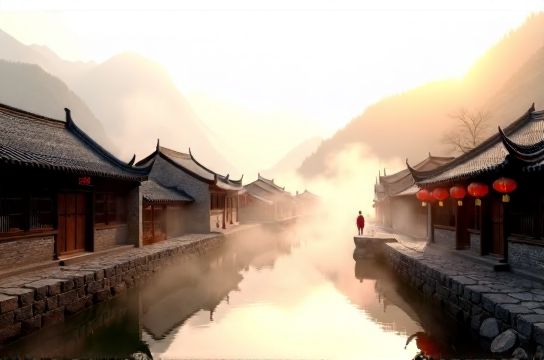
Tucked into remote corners of Yunnan, Guizhou, and Fujian, these towns offer more than just photo ops. They're living museums, where elders brew tea the way their ancestors did, and festivals echo with chants unchanged for generations. According to China's Ministry of Culture and Tourism, over 70% of officially recognized historic villages remain off mainstream itineraries — meaning your next unforgettable journey might be just one wrong turn from the highway.
Take Shaxi Ancient Town in Yunnan, for example. Nestled in the Tea Horse Road's old trail, this sleepy hamlet was nearly lost to time until UNESCO stepped in. Today, its restored square hosts a weekly market that feels like stepping into a Ming Dynasty scroll painting. Or consider Fangshan Village in Fujian — a cluster of Hakka tulou (earthen buildings) so secluded, many residents still speak dialects unintelligible beyond the next valley.
Why These Hidden Gems Shine
The magic isn’t just in the architecture — it’s in the intimacy. In major tourist hubs, crowds can drown out the soul of a place. But in these lesser-known towns, you’re not a spectator. You’re invited in. Locals share mooncakes during Mid-Autumn Festival, children wave from wooden balconies, and temple bells ring at dawn without a single influencer in sight.
Here’s a quick snapshot of how these hidden destinations compare to their famous cousins:
| Feature | Popular Towns (e.g., Lijiang) | Hidden Gems (e.g., Shaxi, Fangshan) |
|---|---|---|
| Avg. Daily Visitors | 15,000+ | 300–800 |
| UNESCO Recognition | Yes | Some in process |
| Local Residents Still Living Inside | <40% | Over 90% |
| English Signage | Widespread | Rare |
As you can see, the real difference lies in lived-in culture. While ancient towns like Lijiang have become polished for mass appeal, these hidden gems preserve the grit and grace of daily life through the ages.
One of the most compelling reasons to explore these spots is sustainability. Overtourism has strained infrastructure in top destinations — but visiting China’s best kept secrets supports rural economies without overwhelming them. A study by Peking University found that community-based tourism in lesser-known villages increased local incomes by up to 65% while maintaining cultural integrity.
So how do you find them? Start small. Look beyond the bullet trains. Rent a car in Dali and drive two hours northeast to Shaxi. Take a slow train into Guizhou’s mountains and ask locals about ‘old stone towns.’ Bring a phrasebook — or better yet, a smile. The rewards? Unfiltered moments: a grandmother teaching you to fold dumplings, a monk lighting incense at dawn, or simply silence broken only by wind through bamboo.
In the end, discovering these hidden gems isn’t about checking boxes. It’s about redefining what travel means — not conquest, but connection. And in the quiet lanes of China’s overlooked ancient towns, that connection waits, patient and profound.