
Top 10 UNESCO Sites China Showcasing Imperial Glory
- Date:
- Views:235
- Source:The Silk Road Echo
If you're into history that literally takes your breath away, China's UNESCO World Heritage Sites are where it's at. We’re talking about places that don’t just whisper tales of emperors and dynasties — they roar them through stone, wall, and temple. From the Great Wall snaking across mountains like a stone dragon to the silent warriors guarding an emperor’s afterlife, these spots are living textbooks of imperial glory.
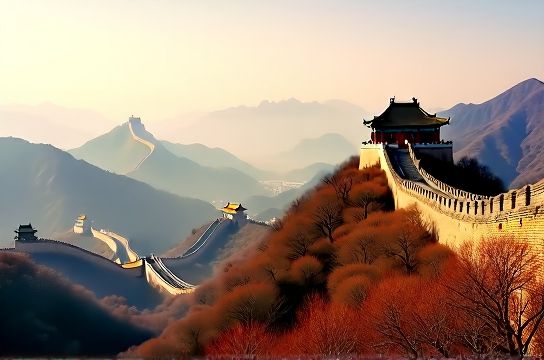
Let’s cut through the noise and dive into the top 10 UNESCO sites in China that showcase the sheer scale of ancient power, artistry, and ambition. And spoiler: you’ll want to add every single one to your travel bucket list.
The Heavy Hitters: China’s Most Iconic UNESCO Sites
China boasts 57 UNESCO World Heritage Sites — second only to Italy. But not all are created equal when it comes to imperial grandeur. We’ve handpicked the top 10 that best reflect the country’s royal legacy, backed by culture, architecture, and jaw-dropping scale.
| Site | Year Inscribed | Type | UNESCO Criteria |
|---|---|---|---|
| Great Wall of China | 1987 | Cultural | i, ii, iii, iv, vi |
| Imperial Palace (Forbidden City) | 1987 | Cultural | i, ii, iii, iv |
| Mausoleum of the First Qin Emperor | 1987 | Cultural | i, iii, iv, vi |
| Temple of Heaven | 1998 | Cultural | i, ii, iii |
| Summer Palace | 1998 | Cultural | i, ii, iii |
Why These Sites Matter
Taking a walk through the Forbidden City isn’t just sightseeing — it’s stepping into the nerve center of Chinese imperial power for nearly 500 years. With over 9,000 rooms and strict cosmic alignment based on feng shui, it’s a masterpiece of Ming Dynasty planning.
And can we talk about the Terracotta Army? Over 8,000 life-sized soldiers, each with unique facial features, buried to protect Emperor Qin Shi Huang in the afterlife. Archaeologists are still uncovering new pits — talk about eternal security detail.
These aren’t just tourist traps. They’re cultural anchors. The Great Wall alone stretches over 13,000 miles, built across centuries to defend against northern invasions. It’s not just a wall — it’s a symbol of resilience.
Hidden Gems Worth Your Time
While the big names grab headlines, don’t sleep on Chengde Mountain Resort or the Confucius Temple in Qufu. These places offer quieter but equally powerful insights into imperial philosophy, retreats, and spiritual authority.
In short, if you want to understand China’s imperial soul, start here. These UNESCO sites aren’t just relics — they’re storytellers.