
Local Traditions Shine in Traditional Festivals China
- Date:
- Views:303
- Source:The Silk Road Echo
When it comes to experiencing the soul of a country, nothing beats diving into its traditional festivals. In China, where history stretches back thousands of years, local traditions come alive in vibrant, colorful, and deeply meaningful ways during festive seasons. From dragon dances under red lanterns to mooncakes shared beneath a full harvest moon, these celebrations are more than just parties—they're living stories passed down through generations.
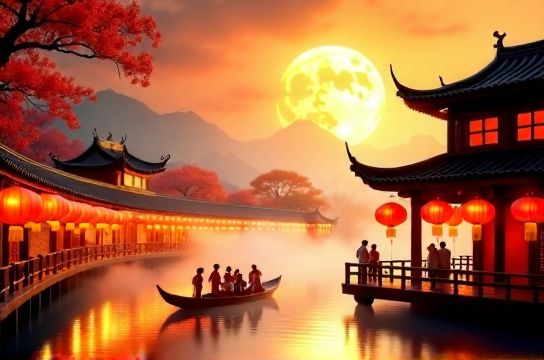
What makes Chinese traditional festivals so special? It’s not just the fireworks or the food (though let’s be real—those dumplings are legendary). It’s the sense of community, the reverence for ancestors, and the subtle regional twists that make each celebration unique depending on where you are in this vast country.
Take the Lunar New Year, for example. While families nationwide gather for reunion dinners, customs vary wildly. In Beijing, you’ll hear firecrackers echoing through hutongs; in Guangdong, lion dances thrill crowds at temple fairs; and in rural Fujian, ancestral worship rituals can last for days. The festival isn’t just about starting fresh—it’s about honoring roots.
Then there’s the Mid-Autumn Festival, a time for moon gazing and family bonding. According to a 2023 survey by China Tourism Academy, over 78% of urban residents participate in mooncake exchanges annually. But beyond the sweet treats, the festival reflects ancient agrarian gratitude and Daoist philosophies of harmony.
Festivals That Define Chinese Culture
| Festival | Time (Lunar Calendar) | Main Regions | Key Traditions | UNESCO Status |
|---|---|---|---|---|
| Lunar New Year | 1st day of 1st month | Nationwide | Reunion dinner, red envelopes, fireworks | Cultural Heritage |
| Dragon Boat Festival | 5th day of 5th month | Southern China | Racing, zongzi, herbal pouches | Cultural Heritage |
| Mid-Autumn Festival | 15th day of 8th month | East & South China | Mooncakes, lanterns, family gathering | Intangible Heritage |
| Qingming Festival | April 4–6 (Solar) | National | Ancestor worship, tomb sweeping | Intangible Heritage |
One underrated gem? The Duanwu Festival, better known as Dragon Boat Festival. Originating from the legend of Qu Yuan, it’s marked by adrenaline-pumping boat races and sticky rice dumplings called zongzi. In Hangzhou, races draw over 50,000 spectators yearly—proof that tradition and excitement go hand in hand.
But here's the real tea: these festivals aren’t frozen in time. They evolve. Younger generations now blend digital red envelopes via WeChat with ancestral rites. Cities like Chengdu host 'new-style' lantern fairs with LED art, attracting both locals and tourists eager for authentic-yet-modern experiences.
If you’re planning to witness these wonders firsthand, timing is everything. Aim for late January to February for Lunar New Year, or mid-September for Mid-Autumn. Pro tip: avoid major cities if you want intimate local flavor—head to Yunnan or Guizhou, where ethnic minorities like the Dong and Miao celebrate with song, embroidery, and age-old rituals rarely seen elsewhere.
In short, China’s traditional festivals aren’t just cultural relics—they’re beating hearts of communities, adapting while staying true to their essence. Whether you're biting into a steaming jiaozi or watching dragons race across a river, you're not just observing tradition—you're becoming part of it.