
China’s UNESCO Sites China That Tell Forgotten Stories
- Date:
- Views:231
- Source:The Silk Road Echo
When you think of China, you might picture the Great Wall or the Terracotta Warriors. But beyond these icons lie hidden gems—UNESCO World Heritage Sites that whisper stories of emperors, scholars, and forgotten dynasties. These places aren’t just stone and mortar; they’re time capsules. Let’s dive into some of China’s most underrated cultural treasures that deserve a spotlight.
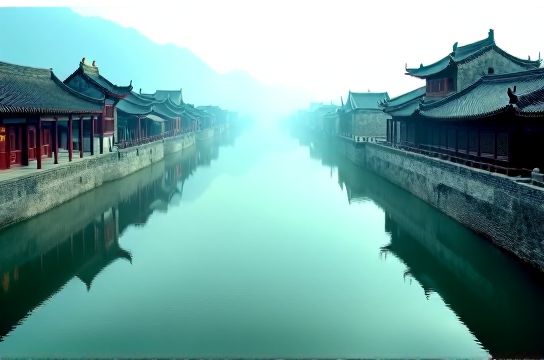
The Ancient City of Pingyao: A Walk Through Ming-Era China
Nestled in Shanxi Province, Pingyao is one of the best-preserved ancient Chinese cities. Dating back over 2,700 years, it served as a financial hub during the Qing Dynasty. Wander its cobbled streets, and you’ll pass old banks (called piaohao), temples, and courtyard homes frozen in time.
What makes Pingyao special? It’s not just preserved—it’s authentic. Locals still live within its 6-kilometer-long city walls. In fact, over 40% of the structures date back to the 18th and 19th centuries.
| Feature | Detail |
|---|---|
| Year Inscribed | 1997 |
| Area | 2.25 km² |
| Wall Height | 12 meters |
| Visitors per Year | ~1.8 million |
Suzhou Gardens: Where Nature Meets Philosophy
If Pingyao is history in motion, Suzhou’s classical gardens are poetry in stone and water. These nine carefully selected gardens—like the Humble Administrator’s Garden and Lingering Garden—are masterpieces of Ming and Qing landscape design.
They weren’t just pretty spaces—they were philosophical retreats. Scholars used them to reflect on life, nature, and harmony. Every rock placement, every koi pond, follows feng shui principles and Daoist ideals.
Did you know? The Humble Administrator’s Garden covers 5.7 acres but uses clever illusions to feel much larger. That’s ancient Chinese UX design at its finest!
Dazu Rock Carvings: Stone Scriptures of Southern China
Hidden in Chongqing’s hills, the Dazu Rock Carvings are a spiritual open-air museum. Unlike the more famous Longmen or Yungang grottoes, Dazu blends Buddhism, Taoism, and Confucianism in vivid, lifelike sculptures carved between the 9th and 13th centuries.
The Thousand-Hand Guanyin statue at Baoding Mountain? Restored in 2015 after an 8-year project costing $5.7 million. Each ‘hand’ holds a different symbol, representing compassion in action.
These carvings don’t just preach—they teach through scenes of daily life, morality tales, and even humor. It’s religion with a human touch.
Kaihuang Temple & the Silk Road Legacy
Not all forgotten stories are ancient. Tucked in Xinjiang, the Bezeklik Thousand Buddha Caves reveal the multicultural soul of the Silk Road. Though damaged over time, surviving murals show Uyghur, Chinese, and Persian influences side by side.
This was a place where monks, merchants, and musicians exchanged more than goods—they traded ideas. Sadly, many artifacts were removed in the early 1900s, now scattered across Europe. But restoration efforts are bringing color back to these sacred walls.
Why These Sites Matter Today
China’s UNESCO sites aren’t just tourist spots—they’re identity anchors. In a fast-modernizing country, they remind us of balance: between progress and preservation, noise and silence, past and future.
So next time you plan a trip, skip the crowds at Forbidden City for a day. Head to Pingyao. Get lost in Suzhou’s misty gardens. Let these quiet storytellers guide you through China’s soul.