
Connect With Roots at Traditional Festivals China
- Date:
- Views:232
- Source:The Silk Road Echo
Want to feel the real pulse of Chinese culture? Skip the crowded malls and filtered selfies — go straight to the heart: Traditional Festivals in China. These aren’t just parties; they’re centuries-old celebrations that connect generations, blend myth with music, and turn streets into living history books.
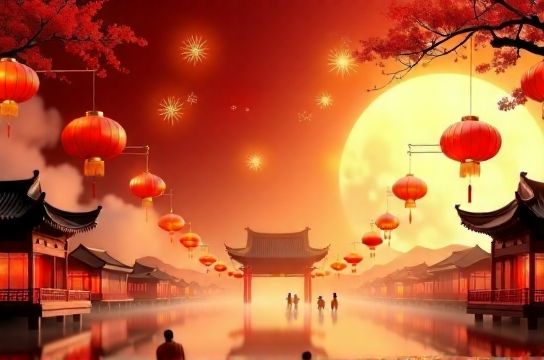
Why Traditional Festivals in China Are a Must-See
China hosts over 50 major traditional festivals annually, each packed with symbolism, food, and community spirit. From dragon dances that shake the ground to lanterns lighting up winter skies, these events offer a rare chance to experience cultural continuity in action.
Take the Lunar New Year, for example. It’s not just China’s biggest holiday — it’s the world’s largest annual human migration. Over 3 billion trips are made during the Spring Festival travel rush (chunyun), as families reunite across cities and provinces.
Top 5 Traditional Festivals You Can’t Miss
| Festival | Time (Lunar Calendar) | Key Activities | Cultural Meaning |
|---|---|---|---|
| Lunar New Year | 1st day of 1st month | Fireworks, red envelopes, reunion dinner | New beginnings, family unity |
| Mid-Autumn Festival | 15th day of 8th month | Mooncake sharing, lanterns, family gatherings | Harvest, togetherness, moon worship |
| Dragon Boat Festival | 5th day of 5th month | Racing, zongzi eating, herb pouches | Honor Qu Yuan, ward off disease |
| Qingming Festival | April 4–6 (Gregorian) | Ancestor tomb sweeping, spring outings | Respect for ancestors, renewal |
| Double Seventh Festival | 7th day of 7th month | Wish-making, romantic traditions | Chinese Valentine’s Day, love story of Niulang & Zhinü |
These festivals aren’t frozen in time — they’ve evolved. In cities like Chengdu and Hangzhou, you’ll find modern twists: digital red envelopes via WeChat, eco-friendly lanterns, and fusion mooncakes with flavors like matcha or durian.
How to Experience Festivals Like a Local
Tourist spots get packed, but here’s the insider tip: head to smaller cities or rural villages. Try joining a temple fair in Beijing’s Ditan Park during Lunar New Year, or catch the floating lantern ceremony in Fuzhou during Ghost Festival. Locals welcome respectful visitors — especially those who come hungry!
Pro tip: Learn a few key phrases. Saying “Xīnnián kuàilè” (Happy New Year) or “Zhōngqiū jié kuàilè” (Happy Mid-Autumn Festival) goes a long way.
The Soul Behind the Celebration
More than fireworks and food, these festivals reflect core Chinese values: family, harmony, and respect for nature and ancestors. They’re not just about looking back — they’re about staying rooted while moving forward.
In a fast-changing world, connecting with roots through tradition isn’t old-fashioned. It’s powerful. And in China, that connection is alive, loud, and deliciously unforgettable.