
Visit Iconic UNESCO Sites China Across Dynasties
- Date:
- Views:187
- Source:The Silk Road Echo
China isn't just a country—it's a living history book. From the misty peaks of ancient temples to the sprawling stones of imperial walls, every corner whispers stories of emperors, scholars, and revolutions. If you're chasing more than just photo ops and want to walk through time, then visiting China’s iconic UNESCO World Heritage Sites across dynasties is your ultimate bucket-list journey.
Why UNESCO Sites in China?
With over 50 UNESCO sites, China ranks among the top nations for cultural and natural heritage. What makes these spots truly special? They’re not just preserved relics—they’re testaments to thousands of years of philosophy, engineering, and artistry that still influence the world today.
Think about it: where else can you stand on a wall built during the Qin Dynasty, meditate in a Buddhist cave from the Tang era, or stroll through a Ming-era garden designed with cosmic harmony in mind?
Top 5 Must-See UNESCO Sites Spanning Dynasties
Let’s break down the crown jewels—sites that represent different dynastic eras and offer jaw-dropping insights into China’s soul.
| Site | Dynasty | Year Inscribed | Key Feature |
|---|---|---|---|
| Great Wall | Qin & Ming | 1987 | World’s longest fortification (21,196 km) |
| Forbidden City | Ming & Qing | 1987 | Largest ancient palace complex (720,000 m²) |
| Temple of Heaven | Ming | 1998 | Ritual site for emperor’s prayers for harvest |
| Yungang Grottoes | Northern Wei | 2001 | 45,000 Buddhist statues carved into sandstone |
| Suzhou Gardens | Song to Qing | 1997 | Poetic landscapes blending nature & design |
The Great Wall: Built on Blood, Stands on Legacy
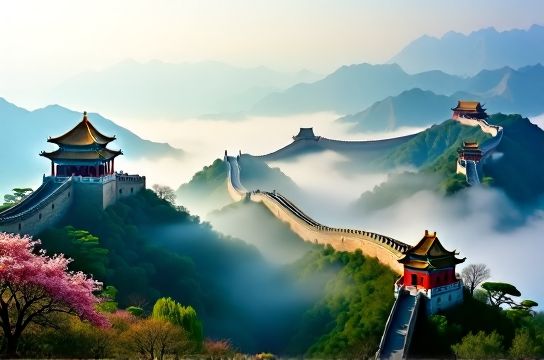
You’ve seen it in movies, but nothing prepares you for the real thing. Stretching across northern China, the Great Wall began under Emperor Qin Shi Huang around 221 BCE. Yes, that’s over 2,200 years ago. While most visible sections are Ming Dynasty rebuilds (1368–1644), the vision was pure Qin ambition.
Pro tip: Skip the crowded Badaling section. Head to Jiankou or Mutianyu for breathtaking views and fewer crowds.
Forbidden City: Where Emperors Ruled & Secrets Lived
Sitting in the heart of Beijing, this 15th-century marvel housed 24 emperors across Ming and Qing dynasties. With 980 surviving buildings, it’s a masterclass in symmetry, symbolism, and power. The color yellow? Reserved for the emperor. The number nine? Symbolized eternity.
Visit at sunrise when golden light hits the rooftops—pure magic.
Go Beyond the Obvious
While the Great Wall and Forbidden City steal headlines, don’t sleep on the Yungang Grottoes near Datong. Carved in the 5th century under the Northern Wei Dynasty, these caves house some of China’s finest Buddhist art—serene faces, flowing robes, all chiseled from rock.
And if you crave tranquility, the classical Suzhou Gardens blend water, rock, and poetry into living art. These weren’t just pretty backyards—they were philosophical expressions of balance between humans and nature.
Final Tips for Your Heritage Journey
- Best Time to Visit: Spring (April–May) or Autumn (September–October)
- Must-Have App: Google Translate (with offline pack) + UNESCO China official guide
- Wear: Comfortable shoes—these sites mean serious walking!
Traveling through China’s UNESCO sites is like flipping through the greatest history book ever written—one where you get to step inside each chapter. So pack your curiosity, charge your camera, and prepare to be humbled by the echoes of dynasties long gone, yet never forgotten.