
Begin Your Deep Cultural Travel China Exploration Now
- Date:
- Views:190
- Source:The Silk Road Echo
Ready to trade your typical tourist traps for something more soul-stirring? Welcome to deep cultural travel in China — where ancient traditions breathe through cobblestone alleys, tea rituals unfold like poetry, and every mountain tells a myth. This isn’t just sightseeing; it’s storytelling with your whole being.
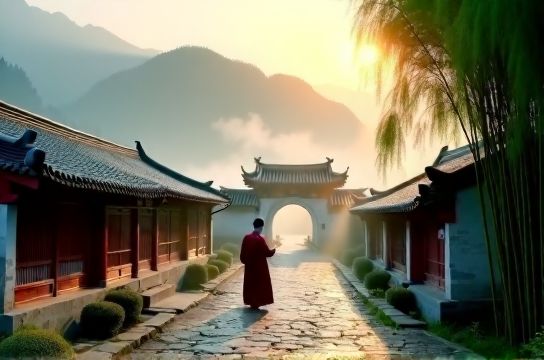
Why China?
China isn’t just big (hello, 9.6 million sq km!), it’s deeply layered. With over 5,000 years of continuous civilization, it’s a living museum where past and present dance daily. From Confucian philosophies shaping modern work ethics to Daoist temples nestled in misty peaks, culture here isn’t performed — it’s lived.
According to UNESCO, China boasts 57 World Heritage Sites — second only to Italy. But skip the selfie sticks at the Great Wall for a moment. Let’s dive into the real gems.
Top 4 Deep Cultural Destinations
- Dunhuang, Gansu: Home of the Mogao Caves — 735 grottoes adorned with Buddhist art spanning 1,000 years. Over 45,000 square meters of frescoes whisper tales of Silk Road pilgrims.
- Lijiang, Yunnan: Wander through Naxi minority villages where Dongba script — one of Earth’s last pictographic writing systems — is still taught.
- Suzhou, Jiangsu: The ‘Venice of the East’ dazzles with classical gardens. Humble Administrator’s Garden alone features 40+ pavilions shaped by Ming Dynasty aesthetics.
- Kashgar, Xinjiang: Step into Central Asia. The Sunday Market buzzes with camel traders, Uyghur musicians, and naan baked in tandoor ovens since the Tang Dynasty.
Must-Experience Cultural Rituals
Forget ticking boxes. Try these immersive moments:
- Join a tea ceremony in Hangzhou’s Longjing village — sip emerald-green dragon well tea grown on terraced hills.
- Spend a night in a Fujian tulou — a 12th-century Hakka earth building housing entire clans. These UNESCO-listed circular fortresses sleep up to 80 families!
- Learn calligraphy from a master in Xi’an. One stroke of ‘永’ (yǒng – eternity) can take a lifetime to perfect.
When to Go & Regional Insights
Timing is everything. Avoid Golden Week chaos (early October), but aim for mild seasons. Here’s a quick guide:
| Region | Best Time to Visit | Cultural Highlight |
|---|---|---|
| Yunnan | March–May | Water-Splashing Festival (Dai people) |
| Shaanxi | September–October | Terracotta Army under golden autumn light |
| Sichuan | April–June | Pandas + spicy Sichuan opera face-changing |
| Guangxi | January–February | Zhuang New Year drum dances |
Pro tip: Book rural homestays via platforms like Kuxun or Homestay.com.cn — many offer cooking classes, farming experiences, and local dialect chats.
Travel Tips for Authentic Connection
Speak a few phrases in Mandarin — even “Nǐ hǎo” opens doors. Respect temple etiquette (no flash photos, cover shoulders). And eat fearlessly: try fermented tofu in Guizhou or donkey burgers in Hebei. Yes, really.
Most importantly, slow down. Let a village elder pour you baijiu. Listen. That’s where the real China reveals itself — not in brochures, but in shared silence over steaming dumplings.
So — ready to explore deeper? Pack curiosity, leave assumptions behind, and let China’s soul speak to yours.