
Traditional Festivals China A Visual and Spiritual Feast
- Date:
- Views:216
- Source:The Silk Road Echo
China isn’t just about skyscrapers and high-speed trains — it’s a land where ancient traditions come alive in dazzling color, rhythm, and flavor. If you’ve ever wanted to dive into a culture that celebrates life through centuries-old rituals, then Chinese traditional festivals are your golden ticket.
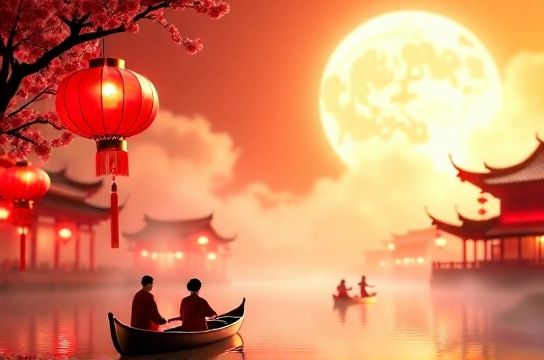
From the roaring fireworks of Spring Festival to the poetic glow of lanterns during Mid-Autumn, these celebrations are more than holidays — they’re living stories passed down through generations. Let’s take a vibrant journey through China’s most iconic festivals, complete with dates, customs, and why each one feels like stepping into a dream.
Why Chinese Festivals Are Unlike Any Other
What makes Chinese festivals so special? It’s the blend of spirituality, family values, and visual spectacle. These events align with the lunar calendar, linking nature, agriculture, and mythology. They’re not just public holidays — they’re emotional anchors for over a billion people.
The Big Four: Must-Experience Chinese Festivals
| Festival | Time (Lunar Calendar) | Key Activities | Symbolism |
|---|---|---|---|
| Spring Festival (Chinese New Year) | 1st day of 1st lunar month | Family reunion dinner, red envelopes, fireworks | New beginnings, luck, prosperity |
| Qingming Festival | April 4–6 (solar calendar) | Tomb sweeping, ancestor worship, spring outings | Honor ancestors, welcome spring |
| Dragon Boat Festival | 5th day of 5th lunar month | Racing dragon boats, eating zongzi | Commemorate Qu Yuan, ward off evil |
| Mid-Autumn Festival | 15th day of 8th lunar month | Moon gazing, eating mooncakes, lanterns | Family unity, harvest celebration |
These four festivals represent the soul of Chinese cultural identity. The Spring Festival alone sees the world’s largest annual human migration — over 3 billion trips made in just a few weeks! That’s not just travel; it’s devotion.
More Than Just Dates: What Each Festival Feels Like
Imagine streets lit by thousands of red lanterns, the smell of dumplings steaming in winter air, or the thunderous beat of drums as dragon boats slice through rivers. These aren’t just scenes — they’re sensory experiences.
- Spring Festival: Think Thanksgiving meets Disney magic. Families clean homes to sweep away bad luck, paste red couplets on doors, and kids get hongbao (red envelopes) with cash — all to welcome good fortune.
- Mid-Autumn Festival: Romantic and reflective. Under a full moon, families share round mooncakes — symbolizing completeness — while children parade with glowing lanterns.
- Dragon Boat Festival: High-energy and historic. Teams race in long boats decorated like dragons, paddling furiously to honor poet Qu Yuan, who drowned himself in protest.
- Qingming: Quiet but profound. People visit graves, offer food to ancestors, and enjoy fresh spring greenery — a reminder of life’s cycle.
And let’s talk food — because every festival has its signature dish. From sticky rice dumplings (zongzi) to sweet sesame-filled tangyuan, taste is memory in China.
Travel Tip: When to Go?
Planning a trip around these festivals? Here’s a pro tip: book months ahead. During Chinese New Year, flights and hotels fill up fast. But if you time it right, you’ll witness parades, temple fairs, and night markets bursting with energy.
Also, don’t miss local variations. In Guangdong, lion dances rule the streets. In Suzhou, Mid-Autumn lanterns float on canals like stars fallen from the sky.
In short, experiencing a traditional Chinese festival isn’t just sightseeing — it’s soul-stirring. Whether you’re biting into a mooncake under a silver moon or cheering on a dragon boat team, you’re not just watching culture — you’re living it.