
Echoes of the Forbidden City: Unlocking Imperial Secrets
- Date:
- Views:250
- Source:The Silk Road Echo
Step into the heart of Beijing and you'll find yourself standing before one of humanity's most awe-inspiring creations — the Forbidden City. More than just an ancient palace, this 600-year-old imperial complex whispers stories of power, intrigue, and artistry. With over 17 million visitors annually, it’s not just China’s crown jewel — it’s a global treasure waiting to be truly understood.
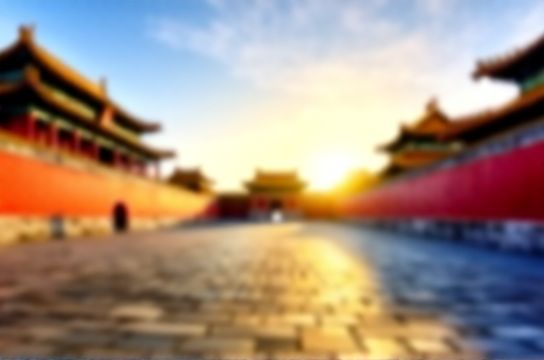
Why the Forbidden City Still Captivates
Built in 1420 during the Ming Dynasty, the Forbidden City served as the home of emperors for nearly 500 years across two dynasties — Ming and Qing. Spanning 180 acres and housing 980 surviving buildings, it’s a masterclass in traditional Chinese architecture and cosmology.
But here’s the real tea: only about 30% of the total space is open to tourists. Want to see the hidden courtyards, secret passageways, and untouched archives? You’ll need more than a ticket — you’ll need strategy.
Pro Tips for a Smarter Visit
- Arrive Early: Gates open at 8:30 AM. Be there by 8:00 to beat crowds.
- Use the East or West Gates: Most tourists enter from the south (Meridian Gate), creating bottlenecks.
- Download the Official App: Offers AR-guided tours and unlocks digital archives of closed-off areas.
Must-See Spots vs. Overrated Corners
Not all halls are created equal. Skip the hype and focus on what truly matters:
| Location | Significance | Visitor Tip |
|---|---|---|
| Hall of Supreme Harmony | Coronation site; tallest building in the complex | Visit right after opening for photo-free moments |
| Palace of Tranquil Longevity | Qianlong Emperor’s retirement villa; hidden garden | Less crowded; serene escape with rare artifacts |
| Imperial Garden | Spiritual center with symbolic landscaping | Perfect for quiet reflection; often overlooked |
| Treasure Gallery | Houses jade seals, thrones, and royal regalia | Requires separate ticket but worth every yuan |
Digging Deeper: The Secrets They Don’t Tell You
Did you know the entire city was designed using feng shui principles aligned with the North Star? Or that the number 9,999 rooms symbolizes imperial near-perfection (only heaven could have 10,000)?
And get this — beneath the polished floors lie underground storage vaults holding over 1.8 million cultural relics, many never displayed. Recent digitization efforts now allow virtual access through the Palace Museum’s online portal.
Final Verdict: More Than Just a Tourist Trap
The Forbidden City isn’t just bricks and rooftiles — it’s a living archive of Chinese civilization. Whether you're a history nerd, architecture geek, or spiritual seeker, this place delivers. Just remember: go early, go deep, and listen closely. The echoes of emperors are still speaking — if you know where to look.