
Best Chinese Cultural Experiences Beyond the Tourist Trail
- Date:
- Views:255
- Source:The Silk Road Echo
If you're craving real Chinese culture — not the staged kind with neon lights and souvenir stalls — it's time to ditch the crowds at the Forbidden City and dive into the hidden gems that locals actually cherish. Forget cookie-cutter tours; we're talking village festivals, underground tea ceremonies, and ancient crafts still breathing in quiet corners of China.
1. Join a Hakka Tulou Festival (Fujian Province)
Deep in Fujian’s misty hills, the Hakka people live in massive earthen roundhouses called tulou. These UNESCO-listed structures aren’t just architecture — they’re living communities. Time your visit for the Spring Festival or Mid-Autumn Festival, and you might be invited to mooncake-making, lion dances, or ancestral worship rituals.
Pro tip: Stay overnight. The night sky here is pitch black, perfect for stargazing between drum beats and folk songs.
2. Sip Tea Like a Scholar in Hangzhou’s Hidden Gardens
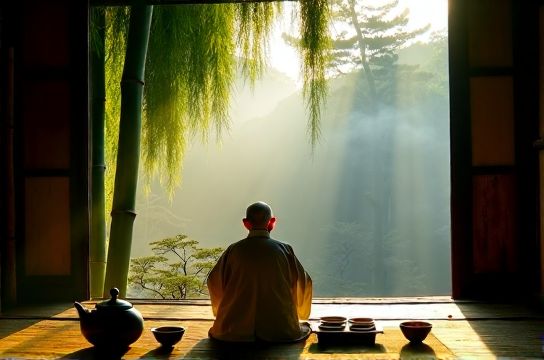
Everyone goes to Longjing Village for dragon well tea, but few know about the private tea salons tucked behind West Lake’s back lanes. Locals gather in bamboo-walled pavilions for gongfu cha sessions that last hours. It’s less about caffeine, more about mindfulness, poetry, and the whisper of steam rising from hand-fired leaves.
Data doesn’t lie — China produces over 3 million tons of tea annually, with Zhejiang province contributing 18% of national output.
| Tea Type | Region | Annual Yield (tons) |
|---|---|---|
| Longjing (Dragon Well) | Hangzhou, Zhejiang | ~1,200 |
| Pu'er | Xishuangbanna, Yunnan | ~15,000 |
| Tieguanyin | Anxi, Fujian | ~8,000 |
3. Learn Shadow Puppetry in Xi’an’s Backstreets
Beneath the shadow of the Terracotta Army, a quieter art form thrives: shadow puppetry. In neighborhood cultural centers, aging masters teach kids (and curious travelers) how to carve donkey-hide figures and perform epic tales with flickering light and string.
Did you know? This art dates back to the Han Dynasty (206 BC–220 AD). Today, fewer than 50 full-time troupes remain nationwide — making every performance a rare treasure.
4. Walk the Nuo Ritual Trail in Guizhou
In remote Miao and Dong villages, the Nuo dance is a spiritual spectacle. Masked dancers in tattered robes summon spirits, ward off evil, and chant in ancient dialects lost to most modern Chinese. It’s raw, rhythmic, and deeply sacred — not performed for tourists, but sometimes tolerated if you show respect.
Visiting during Nuo Festival (usually lunar January) offers a glimpse into a world where folklore and faith are still one.
Final Tips for Authentic Access
- Learn a few phrases in the local dialect — even basic Mandarin isn't always enough.
- Dress modestly when entering villages or temples.
- Ask before photographing rituals — some moments are meant to stay private.
China’s soul isn’t in its skyscrapers or theme parks. It’s in the hush before a tea pour, the creak of a puppet’s arm, and the echo of a 2,000-year-old chant under a Guizhou moon. Go beyond the guidebook. Listen. And let the real China speak to you.