
Experience Living Heritage at UNESCO Sites China and Festivals
- Date:
- Views:223
- Source:The Silk Road Echo
China isn’t just about skyscrapers and high-speed trains — it’s a living museum where ancient traditions breathe through UNESCO World Heritage Sites and vibrant festivals. From the Great Wall’s stone whispers to the dragon dances of Lunar New Year, experiencing China means stepping into a story thousands of years in the making.
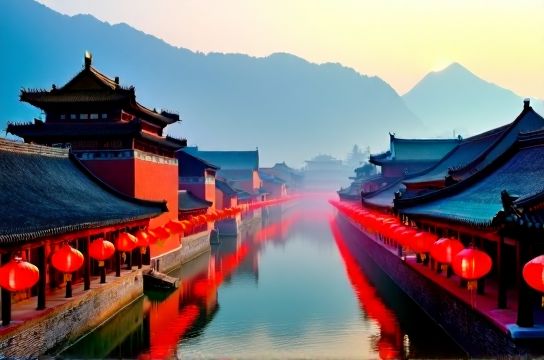
Why UNESCO Sites + Festivals = Magic
UNESCO doesn’t just pick pretty places. They protect cultural and natural treasures with "outstanding universal value." In China, that means over 50 designated sites — and many come alive during traditional festivals. Think of it like history hitting ‘play’ every year.
Did you know? Over 1.4 billion people celebrate Chinese New Year globally. Pair that energy with walking through the Forbidden City during Spring Festival lanterns, and you’ve got goosebump-level magic.
Top 3 Must-Visit UNESCO Sites During Festivals
1. The Forbidden City (Beijing) – Spring Festival
This imperial palace transforms during Lunar New Year. Red lanterns drape every corridor, and the scent of incense mingles with roasted chestnuts from street vendors. The palace hosts special exhibitions and calligraphy demos, turning 600-year-old halls into cultural classrooms.
2. Pingyao Ancient City – Chinese New Year Celebrations
A well-preserved Ming Dynasty town, Pingyao goes full vintage during春节 (Chūnjié). Locals wear traditional Hanfu, firecrackers echo off cobblestone streets, and opera troupes perform in ancestral temples. It’s like time travel with better dumplings.
3. Lijiang Old Town –纳西族(Naxi) Festival of San Duo
Nestled under Jade Dragon Snow Mountain, this UNESCO gem celebrates San Duo, the Naxi people’s patron god, each February. Expect horseback parades, folk songs, and sacred rituals rarely seen by outsiders. Pro tip: book homestays early — locals open their homes like family.
Festival Travel Tips & Timing Guide
Timing is everything. Miss the festival by a week, and you’ll see heritage behind glass. Catch it live, and you’re part of the legacy.
| Site | Festival | Best Time to Visit | Visitor Increase |
|---|---|---|---|
| Forbidden City | Spring Festival | Jan–Feb (Lunar Calendar) | +70% |
| Pingyao | Chinese New Year | Feb (exact dates vary) | +85% |
| Lijiang | San Duo Festival | February 8 | +50% |
Data source: China National Tourism Administration, 2023
How to Visit Responsibly
With great beauty comes great responsibility. UNESCO sites are fragile. Avoid touching carvings, keep noise down during ceremonies, and support local artisans — not mass-produced souvenirs.
And please: no drone shots during temple rituals. That monk chanting? He’s not your Instagram backdrop.
Final Thoughts: Be Part of the Story
Travel isn’t just about ticking boxes. It’s about feeling the drumbeat of a lion dance sync with your heartbeat, or tracing a 1,000-year-old fresco with your eyes — not your fingers.
When you visit UNESCO sites in China during festivals, you’re not a tourist. You’re a witness. Maybe even a participant. And that’s a kind of magic no filter can replicate.