
UNESCO Sites China Hidden Gems in Cultural Heritage
- Date:
- Views:229
- Source:The Silk Road Echo
When people think of UNESCO World Heritage Sites in China, the Great Wall or the Terracotta Army usually come to mind. But beyond these iconic landmarks lie lesser-known treasures—places steeped in history, culture, and breathtaking beauty that fly under the tourist radar. These hidden gems offer a more intimate glimpse into China’s rich heritage. Let’s dive into some of the most underrated UNESCO sites you need to explore.
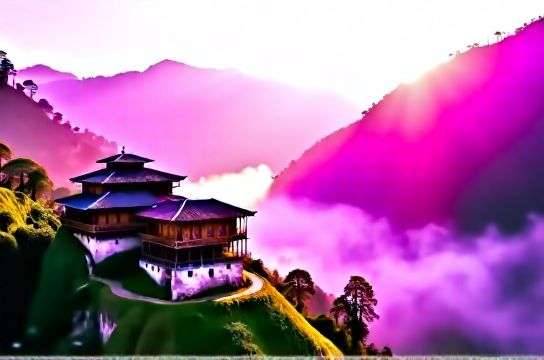
1. Tusi Sites: The Forgotten Kingdoms
Nestled across Hunan, Hubei, and Guizhou provinces, the Tusi Sites (inscribed in 2015) reveal the legacy of autonomous tribal governance during the Yuan, Ming, and Qing dynasties. These fortified settlements blend indigenous architecture with imperial influences.
One standout is the Laosicheng Ruins in Hunan—a well-preserved city layout with temples, streets, and tombs. What makes it special? It was inhabited for over 800 years without major relocation.
| Site | Province | Year Inscribed | Visitor Count (Annual) |
|---|---|---|---|
| Tusi Sites | Hunan/Hubei/Guizhou | 2015 | ~300,000 |
| Hani Rice Terraces | Yunnan | 2013 | ~500,000 |
| Karst Landscapes | Guangxi/Yunnan | 2007/2014 | ~2 million |
2. Hani Rice Terraces: Nature & Culture in Harmony
In Yunnan’s Ailao Mountains, the Hani Rice Terraces are a masterpiece of sustainable agriculture. Carved over 1,300 years ago, these cascading fields follow mountain contours, creating surreal reflections during planting season.
The Hani people use a gravity-fed irrigation system from forested mountaintops—an ancient eco-engineering feat. Visiting in spring or autumn offers the best visuals: flooded terraces mirror skies, while golden harvests glow at sunset.
3. South China Karst: Otherworldly Landscapes
While Guilin’s peaks are famous, the full scope of the South China Karst—a multi-province UNESCO site—is mind-blowing. This geological wonder includes towering limestone towers, vast caves, and underground rivers.
Don’t miss Zhaoqing’s Seven Star Crags or Libo’s Xiaoqikong, where emerald waters wind through karst forests. It’s like stepping into a Chinese ink painting.
Why These Hidden Gems Matter
These sites aren’t just beautiful—they’re testaments to human ingenuity and harmony with nature. Unlike overcrowded hotspots, they offer authentic experiences with fewer crowds and deeper cultural immersion.
Travel tip: Visit off-season (late autumn or winter) for quieter access and better photography. Also, support local guides—they bring stories to life in ways no brochure can.
So next time you plan a trip to China, skip the queues and seek out these quiet legends. They might not be on every postcard, but they’ll stay in your memory forever.