
Best Chinese Cultural Experiences at UNESCO World Heritage Sites
- Date:
- Views:294
- Source:The Silk Road Echo
China is a cultural goldmine, and its UNESCO World Heritage Sites are where ancient history meets jaw-dropping beauty. If you're craving more than just photo ops, here’s your insider guide to the most immersive cultural experiences across China’s top heritage spots — packed with local flavor, hidden gems, and real stats that’ll make your trip unforgettable.
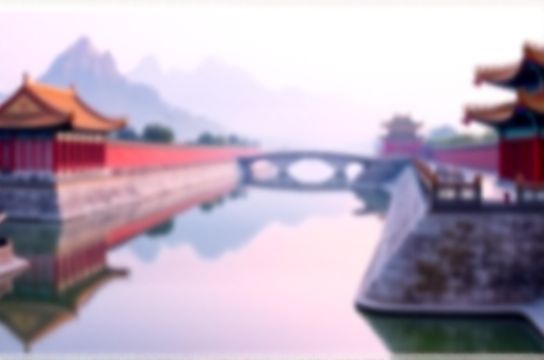
1. Walk the Forbidden City Like an Emperor
Situated in the heart of Beijing, the Forbidden City isn’t just a palace — it’s a 600-year-old symbol of imperial power. With over 1.7 million annual visitors, it's one of the most visited museums in the world. But here’s a pro tip: arrive at opening time (8:30 AM) to beat the crowds and catch the morning light dancing off golden rooftops.
| Site | Year Inscribed | Visitor Count (Annual) | Cultural Highlight |
|---|---|---|---|
| Forbidden City | 1987 | 1.7 million | Ming & Qing Dynasty rituals |
| Great Wall | 1987 | 10+ million (total sections) | Ancient defense systems |
| Temple of Heaven | 1998 | 1.2 million | Imperial harvest ceremonies |
| Leshan Giant Buddha | 1996 | 2.5 million | Buddhist carving mastery |
The Forbidden City houses 9,888 rooms — yes, really — each telling a story of emperors, concubines, and court intrigue. Don’t miss the Palace of Tranquil Longevity, recently restored and open for special exhibitions.
2. Hike the Great Wall Where History Breathes
Everyone knows the Great Wall, but few experience it like a local. Skip the touristy Badaling section and head to Jiankou or Mutianyu. Jiankou is wild, unrestored, and thrilling — perfect for adventurers. Mutianyu? That’s where you get cable cars, fewer crowds, and stunning autumn foliage.
Fun fact: The wall stretches over 21,000 kilometers, built across centuries to protect China from northern invasions. Walking even a small stretch gives you goosebumps — imagine soldiers patrolling these stones in freezing winters!
3. Meditate at the Leshan Giant Buddha
Carved into a cliff face during the Tang Dynasty, this 71-meter-tall Buddha has been watching over the confluence of three rivers since the 8th century. It took 90 years and thousands of workers to complete — talk about dedication!
Visit early morning when mist rises off the water and monks chant nearby. Take a boat ride for the full awe-inspiring view. Bonus: nearby Emei Mountain offers spiritual hikes and tea ceremonies with Buddhist nuns.
4. Step Into the Mogao Caves’ Painted Past
Out in the Gobi Desert, Dunhuang’s Mogao Caves hold over 492 decorated grottoes filled with Buddhist art spanning 1,000 years. These murals? They’re not just pretty pictures — they’re ancient Silk Road diaries showing traders, dancers, and deities.
Due to preservation efforts, only 10–15 caves are open daily. Book a guided tour through the Dunhuang Academy to access restricted areas and learn from real scholars. Pro move: visit during the shoulder season (April–May or Sept–Oct) for cooler temps and thinner crowds.
Why These Sites Matter Today
These aren’t just relics — they’re living classrooms. From Confucian ideals in the Temple of Heaven to Zen calm at Mount Emei, each site offers a deep dive into Chinese philosophy, art, and resilience.
And let’s be real: snapping selfies is fun, but understanding *why* a dynasty built a 70-meter Buddha? That’s travel with soul.