
Exploring Chinese Internet Slang in 2024 Daily Expressions That Define China's Youth Culture Online
- Date:
- Views:267
- Source:The Silk Road Echo
If you've ever scrolled through Chinese social media and felt like everyone was speaking a secret code, you're not alone. In 2024, Chinese internet slang isn’t just playful lingo—it’s a cultural movement. From TikTok (known as Douyin in China) to Weibo and Xiaohongshu, young netizens are reshaping communication with creativity, humor, and a pinch of rebellion.
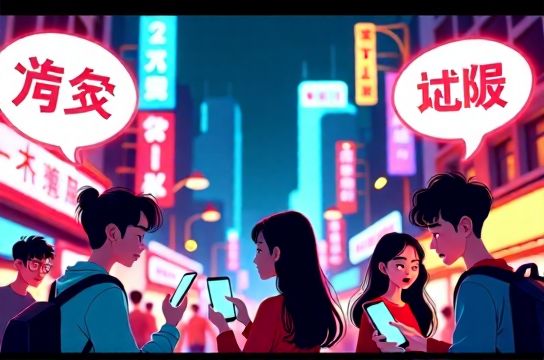
So, what exactly is driving this linguistic revolution? And how can you decode it?
Why Chinese Netizens Love Slang
In a tightly regulated digital environment, slang becomes both a shield and a canvas. It allows users to bypass censorship while building tight-knit online communities. More than that, it reflects the mood of a generation—stressed by 'involution' (neijuan), mocking 'lying flat' (tang ping), and chasing fleeting joy through memes and wordplay.
Let’s break down some of the hottest terms lighting up feeds in 2024:
Top 5 Must-Know Chinese Internet Slang Terms of 2024
| Slang Term | Pronunciation | Literal Meaning | Cultural Context |
|---|---|---|---|
| 显眼包 (xiǎn yǎn bāo) | Shiǎn yǎn bāo | “Show-off package” | A person who stands out, often in a funny or embarrassing way. Used affectionately, not harshly. Think: the friend who dances solo at a party. |
| 尊嘟假嘟 (zūn dū jiǎ dū) | Zūn dū jiǎ dū | “Really or fake?” | Baby-talk version of “真的假的?” Shows disbelief in a cute, ironic tone. Big on Xiaohongshu. |
| 水灵灵地 (shuǐ líng líng de) | Shuǐ líng líng de | “Watery and fresh” | Describes someone looking unexpectedly stunning. Often used sarcastically: “She walked in like she’s water灵灵地 after pulling an all-nighter.” |
| 脆皮青年 (cuì pí qīng nián) | Cuì pí qīng nián | “Crispy youth” | Gen Zers who look strong but collapse from stress, illness, or overwork. A darkly humorous take on modern burnout. |
| 电子榨菜 (diàn zǐ zhà cài) | Diàn zǐ zhà cài | “Digital pickles” | Content so addictive you ‘eat’ it with your meals—like binge-watching videos while eating instant noodles. |
How These Words Spread
Platforms matter. While Weibo fuels viral debates, Douyin turns audio snippets into nationwide catchphrases. Xiaohongshu, the 'Little Red Book,' blends lifestyle content with Gen-Z irony, making it a breeding ground for aesthetic-driven slang like 水灵灵地.
According to CNNIC (China Internet Network Information Center), over 1.05 billion people are online in China, with 78% under 35. This demographic doesn’t just consume content—they create it, remix it, and weaponize humor to cope with societal pressure.
Why It Matters Beyond the Meme
Understanding these phrases isn’t just about fitting in—it’s about grasping the psyche of modern Chinese youth. Terms like 脆皮青年 reveal anxiety beneath the jokes. Meanwhile, 懒嘟假嘟 shows how cuteness culture softens skepticism in a high-stress world.
Brands that get it right—like Luckin Coffee, which uses slang in ads—see engagement soar. Those that miss the tone? Instant cringe.
Final Thoughts
Chinese internet slang in 2024 is more than buzzwords—it’s identity, resistance, and connection wrapped in syllables. Whether you’re a language lover, marketer, or curious observer, tuning into this digital dialect offers a front-row seat to China’s evolving youth culture.
So next time you hear “电子榨菜,” don’t just laugh—ask: what’s really on the menu?