
How Meme Culture China Shapes Social Media Trends From Douyin to WeChat Moments Viral Humor
- Date:
- Views:267
- Source:The Silk Road Echo
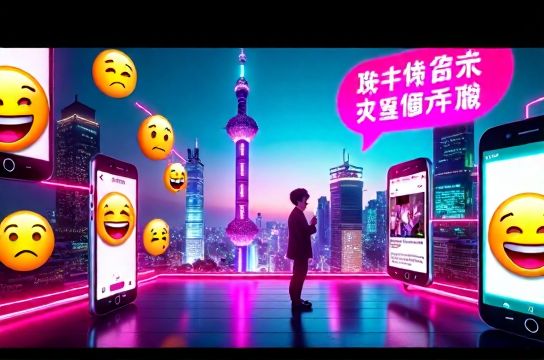
In the digital heartbeat of modern China, meme culture isn’t just about laughs—it’s a language. From Douyin (TikTok’s Chinese twin) to the intimate chats of WeChat Moments, viral humor is rewriting how people connect, share, and even protest. Forget boring trends—China’s internet users are crafting a new kind of social code, one hilarious GIF at a time.
The Rise of the Relatable: Why Memes Rule Chinese Social Media
Let’s be real: life in China’s fast-paced cities is stressful. Between sky-high housing prices, competitive job markets, and strict online censorship, people need an outlet. Enter memes—short, sharable, and packed with sarcasm or absurdity. They’re not just jokes; they’re coping mechanisms wrapped in pixelated faces and exaggerated expressions.
According to Statista, over 980 million Chinese netizens use mobile internet daily, with more than 70% engaging with short videos monthly. Platforms like Douyin and Kuaishou have become meme incubators, where a single video can spark thousands of remixes.
Douyin vs. WeChat: Two Worlds of Viral Humor
Douyin thrives on public virality. A dance challenge gone wrong? A delivery guy lip-syncing to pop songs? These clips spread fast, often using trending audio and hashtags. But WeChat Moments is different—it’s semi-private, shared among friends and family. Here, memes are more subtle, often referencing inside jokes or social commentary masked as silliness.
For example, the phrase “wo tai nan le” (“I’m too hard-pressed”) became a meme during the pandemic, paired with images of tired office workers or students buried under books. It was both funny and quietly rebellious—a way to vent without breaking rules.
Data Dive: Meme Engagement Across Platforms
Here’s a snapshot of how meme-driven content performs:
| Platform | Monthly Active Users (2024) | Avg. Time Spent/Day | % Content with Memes |
|---|---|---|---|
| Douyin | 780 million | 105 minutes | 62% |
| Kuaishou | 570 million | 90 minutes | 58% |
| WeChat Moments | 1.2 billion | 35 minutes | 45% |
While WeChat has broader reach, Douyin dominates in meme density and engagement. The younger crowd (ages 18–30) drives this trend, making up nearly 60% of meme creators.
The Hidden Power of Meme Diplomacy
Chinese memes aren’t just domestic—they’ve gone global. During diplomatic spats, netizens deploy humor as soft power. Think pandas wearing sunglasses or cartoon officials dancing to pop music. These images spread internationally, shaping perceptions in a way official statements can’t.
Even brands get in on it. In 2023, beverage giant Nongfu Spring launched a campaign featuring a grumpy raccoon—a meme-inspired mascot—that boosted sales by 18% in three months.
Why This Matters for Marketers & Observers
If you’re trying to reach Chinese audiences, ignoring meme culture is like bringing a flip phone to a smartphone party. Memes build trust, increase shareability, and humanize brands. But beware: missteps are costly. A foreign brand once used a meme format out of context—and faced instant backlash.
The key? Authenticity. Localize, don’t imitate. Partner with micro-influencers who speak the meme language fluently.
Final Thought: Laughter Is the Loudest Voice Online
In a tightly regulated digital space, memes give people a voice without saying too much. They’re the whisper behind the wall, the wink in a serious room. As long as there’s pressure, there will be punchlines. And in China’s social media landscape, the funniest posts often carry the deepest truths.