
Deep Cultural Travel Through China's Living Heritage
- Date:
- Views:195
- Source:The Silk Road Echo
Want to skip the typical tourist traps and dive into the soul of China? Let’s talk about deep cultural travel—a journey beyond the Great Wall selfies and panda cams. We’re talking living traditions, ancient rituals, and communities that have kept their heritage alive for centuries.
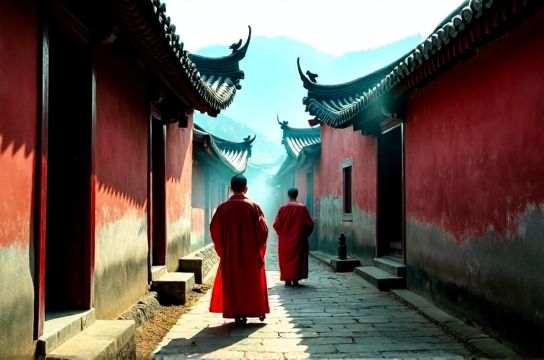
China isn’t just a country—it’s a living museum. From the terraced rice fields of Yunnan to the cave dwellings of Shaanxi, culture here breathes through daily life. And if you're craving authenticity, it’s time to explore UNESCO’s list of Intangible Cultural Heritage. These aren’t dusty relics—they’re vibrant practices passed down through generations.
Take the Huangshui Opera in Qinghai or the Dong Grand Song in Guizhou—these aren’t stage performances for tourists. They’re community expressions, sung during harvests or festivals. In fact, China leads the world with 43 entries on UNESCO’s Intangible Cultural Heritage list—the most of any nation.
Why Deep Cultural Travel Matters
Mass tourism brings crowds—and often, cultural dilution. But deep travel connects you with real people, real stories. It supports local economies and helps preserve traditions at risk of fading.
Consider this: over 60% of China’s ethnic minorities live in rural or remote regions. Many maintain unique languages, clothing, and customs. When you visit them responsibly, you’re not just observing—you’re participating in preservation.
Top 5 Living Heritage Experiences You Can’t Miss
Here are five unforgettable ways to experience China’s living culture—complete with real data to help you plan smarter.
| Experience | Location | Best Time to Visit | Cultural Significance |
|---|---|---|---|
| Dong Ethnic Choir Singing | Guizhou Province | April–September | UNESCO-listed polyphonic singing without conductors or instruments |
| Uyghur Muqam Music | Xinjiang Region | June–August | 12-part musical suite blending Persian, Arabic, and Central Asian influences |
| Tibetan Buddhist Chanting | Lhasa, Tibet | May & September | Spiritual practice using deep vocal harmonics in monastery rituals |
| Zhuang Folk Festivals | Guangxi Province | March (Sanyuesan Festival) | Singing duels, rice cake making, and ancestral worship traditions |
| Naxi Dongba Rituals | Lijiang, Yunnan | Year-round (peak in spring) | Animist ceremonies led by priest-scholars using pictographic script |
Pro tip: Visit during local festivals. That’s when traditions shine brightest. For example, the Sanyuesan Festival draws up to 50,000 Zhuang visitors annually—locals dress in hand-embroidered attire and sing antiphonal ballads for days.
Travel Tips for Respectful Engagement
Deep cultural travel isn’t just about showing up—it’s about showing respect. Here’s how to do it right:
- Ask before photographing—especially during rituals.
- Learn a few local phrases—even “hello” in Dong or Uyghur goes a long way.
- Support community-run homestays—they offer authentic stays and direct income.
- Avoid bargaining aggressively—many craftspeople sell traditional textiles as side income.
Remember: this isn’t performance art. These are sacred traditions. Treat them with reverence, and you’ll walk away transformed.
So, ready to trade crowded landmarks for something deeper? China’s living heritage is waiting—not in guidebooks, but in villages, chants, and shared meals under starlit skies.