
Traditional Festivals China Full of Color and Spirit
- Date:
- Views:289
- Source:The Silk Road Echo
When it comes to experiencing the soul of a culture, few things beat diving into its traditional festivals. In China, these celebrations aren’t just about fireworks and feasts—they’re vibrant expressions of history, family, and spiritual beliefs that have been passed down for thousands of years.
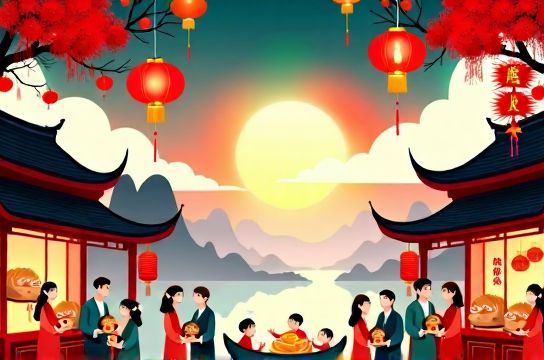
From the roaring lion dances of Spring Festival to the poetic lanterns floating during Mid-Autumn, Chinese traditional festivals are a dazzling mix of color, flavor, and emotion. Let’s take a journey through some of the most iconic ones—and why you absolutely shouldn’t miss them.
Why Chinese Festivals Are So Special
China’s festivals are deeply rooted in lunar cycles, agricultural rhythms, and ancient philosophies like Confucianism and Taoism. They emphasize harmony—between people, nature, and the cosmos. More than just holidays, they’re moments when families reunite, ancestors are honored, and communities come alive with shared joy.
The Big Four: Must-Know Chinese Festivals
1. Spring Festival (Chinese New Year)
The granddaddy of them all. Falling between late January and mid-February, this 15-day celebration marks the Lunar New Year. Expect red decorations everywhere (red = luck!), firecrackers to scare off evil spirits, and dumplings that symbolize wealth.
2. Qingming Festival (Tomb-Sweeping Day)
Held around April 4–6, this is a day of remembrance. Families visit ancestral graves, clean tombstones, and offer food and paper money. It’s solemn yet beautiful—a reminder of filial piety and the cycle of life.
3. Dragon Boat Festival
Every May or June (5th day of the 5th lunar month), rivers come alive with long, narrow boats racing to drumbeats. This festival honors Qu Yuan, a patriotic poet who drowned himself in protest. Sticky rice dumplings called zongzi are eaten to remember him.
4. Mid-Autumn Festival
When the moon is at its fullest and brightest (15th day of the 8th lunar month), families gather to eat mooncakes and share stories. The festival celebrates harvest and unity, often linked to the legend of Chang’e, the moon goddess.
Festival Snapshot: Key Facts at a Glance
| Festival | Time (Lunar Calendar) | Main Activities | Symbolic Foods |
|---|---|---|---|
| Spring Festival | 1st day, 1st month | Family reunion, red envelopes, fireworks | Dumplings, fish, niangao |
| Qingming Festival | 15th day after Spring Equinox | Tomb sweeping, ancestor worship | Qingtuan (green rice balls) |
| Dragon Boat Festival | 5th day, 5th month | Boat races, hanging herbs | Zongzi (sticky rice dumplings) |
| Mid-Autumn Festival | 15th day, 8th month | Lanterns, moon gazing | Mooncakes, pomelos |
These festivals aren’t just for locals. Tourists are often welcomed with open arms—especially during public events like dragon boat races or lantern fairs. Imagine tasting a handcrafted mooncake under a glowing sky in Hangzhou, or joining a midnight fireworks show in Beijing during New Year’s Eve. It’s pure magic.
And let’s talk numbers: during Chinese New Year, over 3 billion trips are made as people return home—the largest annual human migration on Earth. That’s how much these traditions mean.
Final Thoughts
Chinese traditional festivals are more than cultural relics—they’re living, breathing celebrations that connect past and present. Whether you’re savoring zongzi, watching a lion dance, or whispering wishes to the full moon, you’re not just observing—you’re participating in something timeless.
So next time you plan a trip to China, time it with one of these festivals. Trust us: the colors, flavors, and spirit will stay with you long after you leave.