
UNESCO Sites China Revealing Imperial Legacy Secrets
- Date:
- Views:201
- Source:The Silk Road Echo
China isn't just a country—it's a living museum. From ancient palaces to silent tombs whispering imperial secrets, UNESCO World Heritage Sites in China offer a backstage pass to 5,000 years of history. If you’ve ever wanted to walk where emperors once ruled, or stand beneath the Great Wall as it snakes across mountain ridges, then buckle up. This guide spills the tea on China’s most iconic imperial treasures—complete with juicy facts, travel hacks, and data that’ll make your jaw drop.
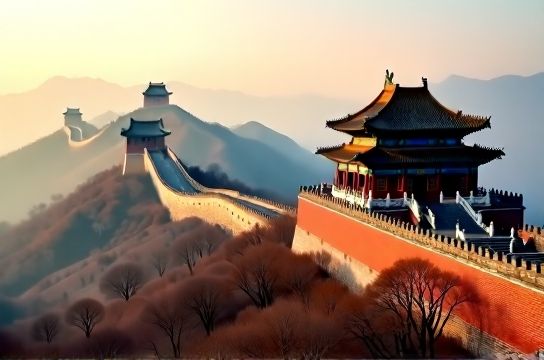
The Crown Jewels: Top Imperial UNESCO Sites
China boasts 57 UNESCO sites, and nearly a third are tied to imperial dynasties. These aren’t just tourist traps—they’re time machines. Let’s dive into the big four that defined Chinese civilization.
| Site | Year Listed | Dynasty | Visitor Count (Annual) |
|---|---|---|---|
| Great Wall | 1987 | Ming & Qin | 10.3 million |
| Forbidden City | 1987 | Ming & Qing | 17 million |
| Maoling Mausoleum (Han Yang Ling) | 2006 | Han | 2.1 million |
| Summer Palace | 1998 | Qing | 4.8 million |
Yep, the Forbidden City pulls more visitors than some countries’ populations. But here’s the kicker—it was off-limits to commoners for nearly 500 years. Now? You can stroll its crimson halls for less than $10.
Behind the Red Walls: Forbidden City Deep Dive
Situated in the heart of Beijing, the Forbidden City was home to 24 emperors across the Ming and Qing dynasties. With 980 surviving buildings and over 8,700 rooms, it’s the largest palace complex on Earth. Rumor has it no one knows the exact room count—because some doors lead nowhere, built to confuse assassins. Spooky, right?
Pro tip: Visit at opening time (8:30 AM) to dodge crowds. And wear comfy shoes—walking the full length is like pacing 12 football fields.
The Great Wall: More Than Just Bricks
Contrary to myth, you can’t see the Great Wall from space—but you can feel its weight in history. Stretching over 13,000 miles, this beast was built to keep out northern invaders. The best-preserved sections, like Badaling and Mutianyu, were reinforced during the Ming Dynasty.
But here’s a fun fact: The wall isn’t one continuous line. It’s a network of fortifications made from tamped earth, wood, and yes, sticky rice mortar. That’s right—ancient engineers mixed rice flour with lime to create an ultra-strong binding agent. Talk about food with benefits.
Imperial Vibes Beyond Beijing
While Beijing dominates the imperial scene, don’t sleep on Xi’an. The Terracotta Army, guarding Emperor Qin Shi Huang’s tomb, features over 8,000 life-sized soldiers, each with unique facial expressions. It’s like the original army of one-of-one NFTs.
And in Suzhou? The Classical Gardens of the Ming and Qing dynasties blend architecture with nature so seamlessly, they inspired Japanese Zen gardens. These weren’t just backyard upgrades—they were philosophical statements in stone and water.
Travel Smart: How to Experience These Sites Like a Pro
- Buy tickets online—especially for the Forbidden City, where daily caps apply.
- Avoid national holidays like Golden Week (October 1–7), when sites get flooded.
- Hire a local guide for lesser-known stories—like how eunuchs navigated secret corridors.
Bottom line? These sites aren’t just relics. They’re proof of China’s enduring influence, engineering genius, and imperial drama that rivals any Netflix series. So pack your curiosity—and maybe a fan—because history here doesn’t just live. It breathes.