
Plan Your Deep Cultural Travel to China's Hidden Gems
- Date:
- Views:167
- Source:The Silk Road Echo
Think China is just about the Great Wall and pandas? Think again. Beyond the postcard-perfect spots lies a treasure trove of forgotten villages, ancient ethnic traditions, and jaw-dropping landscapes that most tourists never see. Welcome to the real China — raw, rich, and deeply cultural.
Why Go Off the Beaten Path?
Mainstream tourism hits Beijing, Shanghai, and Xi’an like a tidal wave. But venture deeper, and you’ll find places where time moves slower, locals smile wider, and culture breathes freely. These hidden gems offer immersive experiences — think handcrafting batik with Miao artisans or sharing barley wine with Tibetan families in remote mountain homes.
Data shows a rising trend: According to China Tourism Academy, domestic 'deep cultural travel' grew by 23% in 2023, with international interest following close behind. Travelers aren’t just sightseeing — they’re seeking stories.
Top 4 Hidden Cultural Destinations
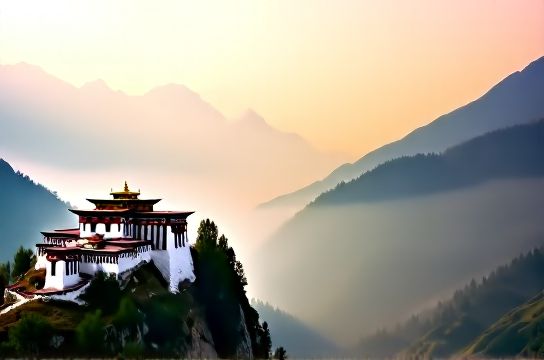
- Shangri-La, Yunnan: Nestled near the Tibetan border, this mystical town blends Buddhist monasteries with alpine meadows. Visit Ganden Sumtseling Gompa at sunrise — monks chanting in maroon robes against snow-capped peaks? Pure magic.
- Fenghuang Ancient Town, Hunan: A water village frozen in Qing Dynasty charm. Walk stone bridges over the Tuo River, stay in stilted wooden homes, and hear Miao folk songs echo at dusk.
- Xanadu (Zhenglan Banner), Inner Mongolia: Once Kublai Khan’s summer capital, now a grassland paradise. Ride horses with nomadic herders and sleep in a yurt under star-blanketed skies.
- Longji Rice Terraces, Guangxi: Carved by the Zhuang and Yao people over 650 years ago, these terraces are living art. Visit during spring planting or autumn harvest for golden waves cascading down hillsides.
Cultural Immersion That Goes Deep
This isn’t photo-stop tourism. It’s about connection. In Dai villages near Xishuangbanna, join a Poi Dance festival. In Tujia communities, learn to weave intricate brocade patterns passed down for generations.
Here’s a snapshot of what makes these experiences unique:
| Destination | Local Ethnic Group | Unique Experience | Best Time to Visit |
|---|---|---|---|
| Shangri-La | Tibetan | Monk-led meditation session | May–October |
| Fenghuang | Miao & Tujia | Batik dyeing workshop | Spring & Autumn |
| Xanadu | Mongolian | Naadam Festival (July) | June–August |
| Longji | Zhuang & Yao | Rice terrace farming demo | April–May or Sept–Oct |
Travel Tips for Meaningful Exploration
Going deep means traveling right. Respect local customs — dress modestly in religious sites, ask before photographing people, and learn a few key phrases in the local dialect. Many villagers speak limited English, but a simple 'Ni hao!' goes a long way.
Opt for eco-friendly homestays. In Fenghuang, family-run guesthouses cost $25–$40/night and include home-cooked meals. In Shangri-La, Tibetan homestays often include yak butter tea and storytelling around the fire.
Final Thoughts
China’s soul isn’t in its skyscrapers — it’s in the quiet moments between mountain trails, village feasts, and ancient rituals still alive today. So skip the crowds. Pack curiosity. And let China’s hidden gems rewrite your travel story.