
Understanding Online Buzzwords China Behind the Laughter
- Date:
- Views:230
- Source:The Silk Road Echo
If you've ever scrolled through Chinese social media and felt like everyone's speaking a secret code, you're not alone. From neijuan (involution) to tang ping (lying flat), China's internet slang isn't just playful—it's a cultural mirror reflecting deep societal shifts. These buzzwords are more than memes; they're emotional outlets, social critiques, and sometimes, quiet rebellions.
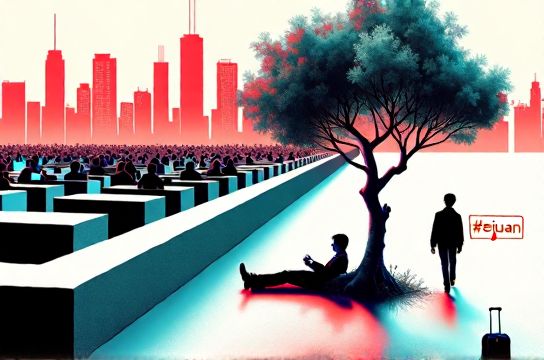
The Rise of Emotional Slang in Modern China
China’s digital landscape is buzzing with terms that capture the mood of a generation under pressure. Young people, facing fierce competition, skyrocketing housing prices, and rigid work cultures, have turned to irony and humor to cope. Let’s break down some of the most viral terms shaking up Weibo, Douyin, and Xiaohongshu.
- Neijuan (内卷) – Literally 'involution,' this term describes a zero-sum race where working harder brings no real gain. Think: studying 16 hours a day just to stay average.
- Tang Ping (躺平) – 'Lying flat' is the anti-hustle movement. It’s opting out of the rat race, rejecting overwork, and choosing minimalism over materialism.
- Involution vs. Lying Flat: A Cultural Tug-of-War
This clash isn’t just online banter—it reflects a generational divide. While older generations value perseverance and sacrifice, Gen Z is redefining success on their own terms.
Buzzword Breakdown: What They Really Mean
Here’s a quick reference table of top Chinese internet slang making global waves:
| Buzzword | Literal Meaning | Cultural Significance | Year Popularized |
|---|---|---|---|
| 内卷 (Neijuan) | Involution | Excessive competition with diminishing returns | 2020 |
| 躺平 (Tang Ping) | Lying Flat | Rejecting societal pressure to overachieve | 2021 |
| 打工人 (Da Guren) | Working Dog | Sarcastic self-identity of wage earners | 2020 |
| 凡尔赛 (Fan Er Sai) | Versailles | Humblebragging about wealth/luxury | 2021 |
| 社死 (She Si) | Social Death | Extreme embarrassment in public | 2022 |
Why These Words Matter Beyond the Meme
These terms aren’t fleeting trends—they’re symptoms of deeper social dynamics. According to a 2023 Pew Research study, over 68% of urban Chinese youth aged 18–30 feel 'chronically stressed' by career expectations. Platforms like Bilibili have become therapy rooms in disguise, where animated videos explain neijuan with dark humor and relatable skits.
Even brands are catching on. Alibaba used da guren in a 2022 campaign, showing office workers as literal dogs chasing bones—acknowledging burnout while selling coffee. Clever? Yes. Ironic? Absolutely.
The Global Ripple Effect
Terms like tang ping have inspired similar movements worldwide—from South Korea’s 'escape the 9-to-6' trend to America’s 'quiet quitting.' The language may differ, but the sentiment is universal: burnout is real, and Gen Z is pushing back.
In short, decoding Chinese internet slang isn’t just about staying culturally literate—it’s about understanding a generation rewriting the rules of success, one ironic meme at a time.