
Journey Through China's Most Authentic Cultural Heritage Sites
- Date:
- Views:248
- Source:The Silk Road Echo
Ready to swap crowded tourist traps for real cultural magic? Let’s dive into China’s most authentic heritage spots—where ancient traditions breathe, stories echo through stone temples, and every step feels like time travel. Forget the filtered Instagram reels; this is the raw, soul-stirring side of China you won’t find in guidebooks.
The Timeless Allure of China’s Hidden Gems
China isn’t just about the Great Wall and Forbidden City (though they’re epic). Beyond the postcard sights are UNESCO-listed villages, living Buddhist monasteries, and centuries-old ethnic communities preserving their way of life against all odds.
Did you know? Over 56 UNESCO World Heritage Sites call China home—the second-highest in the world. But only a handful get the spotlight. We’re here to shine a light on the underrated treasures where culture isn’t performed—it’s lived.
Top 4 Must-Visit Authentic Heritage Sites
1. Pingyao Ancient City (Shanxi Province)
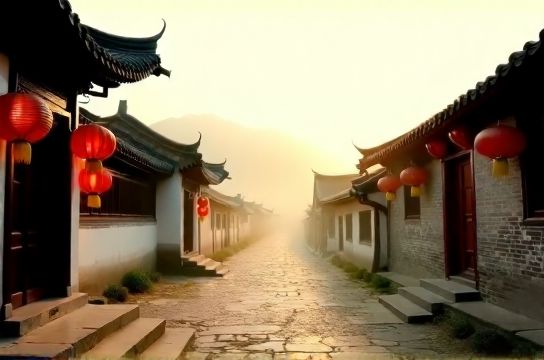
This 2,700-year-old walled city is a financial relic from the Qing Dynasty. Once the banking hub of imperial China, Pingyao still boasts original cobbled streets, courtyard homes, and the Rishengchang Exchange Shop—the country’s first bank.
2. Lijiang Old Town (Yunnan Province)
Nestled at the foot of Jade Dragon Snow Mountain, Lijiang pulses with Naxi culture. The maze-like alleys, wooden carvings, and hauntingly beautiful Dongba scripts make it feel like a fairy tale—but it’s very real. Bonus: locals still play traditional Naxi music every evening in Sifang Street.
3. Tusi Sites (Hubei, Hunan, Guizhou)
These fortified manor complexes were once ruled by hereditary chieftains under imperial approval. The Tangya Tusi Fortress in Hubei is remarkably preserved, offering insight into ethnic governance long before modern borders.
4. Kham Monasteries (Sichuan & Tibet)
Spirituality runs deep in places like Larung Gar, one of the world’s largest Tibetan Buddhist academies. Thousands of monks and nuns chant in unison across valley slopes painted in prayer flags. It’s not just awe-inspiring—it’s transformative.
Why These Places Matter
These sites aren’t frozen in time—they’re evolving while honoring roots. In Lijiang, over 70% of residents are ethnic Naxi, actively passing down language and rituals. Meanwhile, Pingyao’s preservation laws ban high-rises within the city walls—keeping the skyline unchanged since the 1800s.
Quick Travel Stats: What You Need to Know
| Site | UNESCO Year | Visitor Tips | Best Time to Visit |
|---|---|---|---|
| Pingyao Ancient City | 1997 | Stay in a traditional courtyard hotel | April–May, Sept–Oct |
| Lijiang Old Town | 1997 | Avoid peak holiday seasons | March–June |
| Tusi Sites | 2015 | Hire a local guide for deeper context | May–October |
| Kham Monasteries | N/A (Cultural Significance) | Respect photography rules; dress modestly | June–September |
Travel tip: Skip summer if you hate crowds. May and September offer mild weather and thinner tourist traffic.
Closing Thoughts
Authenticity isn’t about being untouched—it’s about continuity. These heritage sites prove that culture can thrive without becoming a commodity. So next time you plan a trip to China, go beyond the bullet trains and neon cities. Step into a quieter, deeper version of the country—one where history isn’t displayed behind glass, but lived with pride.
Wander thoughtfully. Connect deeply. That’s how you truly experience China.