
Uncover the Soul of Chinese Culture Through Living Traditions
- Date:
- Views:213
- Source:The Silk Road Echo
Think China, and your mind might jump to pandas, the Great Wall, or maybe even dumplings. But beyond the postcard sights and viral food trends lies something deeper — a living, breathing cultural soul that pulses through ancient traditions still practiced today. From tea ceremonies steeped in philosophy to lunar festivals that unite millions, Chinese culture isn’t just preserved in museums — it’s lived every day.
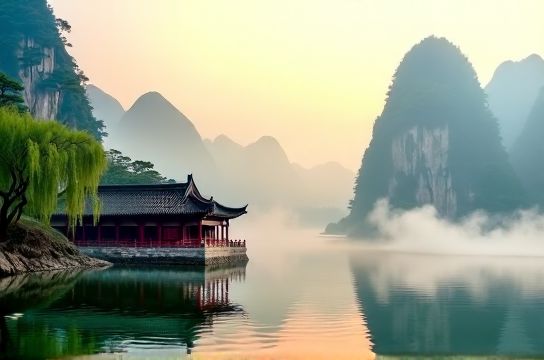
The Rhythm of Tradition: More Than Just History
China’s cultural heritage isn’t frozen in time. Over 900 intangible cultural heritage items are officially recognized by UNESCO and the Chinese government, with many actively passed down through generations. These aren’t relics — they’re rhythms. The beat of a lion dance drum during Lunar New Year. The whisper of silk as a qipao flows through a summer festival. The quiet focus of a calligrapher’s brush on rice paper.
Take tea culture, for example. It’s not just about drinking — it’s a meditation. In Fujian, oolong tea masters perform gongfu cha ceremonies that can last over an hour, using tiny clay pots and precise water temperatures. According to a 2023 report by the China Tea Marketing Association, over 50% of urban Chinese adults drink tea daily, blending ritual with routine.
Festivals That Move a Nation
If you want to feel China’s cultural heartbeat, time your visit with one of its major festivals. These events don’t just light up calendars — they move people. Literally.
During the Spring Festival (Chinese New Year), China experiences the world’s largest human migration. Known as Chunyun, this travel rush sees over 3 billion trips made in just 40 days. Trains, highways, and airports swell as families reunite to honor ancestors and welcome the new year with firecrackers, red envelopes, and dumplings shaped like ancient gold ingots.
| Festival | Time of Year | Key Traditions | Participation (Est.) |
|---|---|---|---|
| Spring Festival | Lunar January | Reunion dinners, red envelopes, fireworks | 1.4+ billion |
| Mid-Autumn Festival | Lunar August | Mooncakes, lanterns, family gatherings | Over 1 billion |
| Dragon Boat Festival | Lunar May | Racing, zongzi, honoring Qu Yuan | 800 million+ |
These numbers aren’t just impressive — they’re proof of cultural continuity. While cities like Shanghai glow with neon and AI startups, grandmothers are still teaching grandchildren how to fold perfect mooncakes.
Arts That Speak Without Words
Traditional Chinese opera, with its bold makeup and soaring vocals, might seem theatrical — but it’s storytelling at its most vivid. Peking Opera, recognized by UNESCO, combines martial arts, music, and costume into a single performance art. Though younger audiences are harder to engage, efforts like digital streaming and school programs are reviving interest.
And then there’s calligraphy — not just writing, but a spiritual practice. A 2022 survey found that 67% of Chinese parents encourage their children to learn calligraphy, seeing it as a way to build patience and character.
How to Experience It Yourself
You don’t need to live in China to connect with its culture — but if you visit, go beyond the guidebooks. Join a tea ceremony in Hangzhou. Take a tai chi class at dawn in Beijing’s Temple of Heaven. Volunteer during a local Lantern Festival. These aren’t tourist traps — they’re invitations.
Better yet? Bring a piece home. Learn brush painting. Cook real dim sum. Celebrate the lunar new year with friends, even if you’re miles from Chinatown. Culture isn’t about perfection — it’s about participation.
China’s soul isn’t locked in the past. It lives in every bow, every bite, every brushstroke. And it’s waiting for you to join the rhythm.