
Connect with China's Past Through Deep Cultural Travel
- Date:
- Views:213
- Source:The Silk Road Echo
Want to truly feel China’s soul? Skip the crowded malls and selfie sticks. It’s time to go deeper—way deeper—into the heart of one of the world’s oldest civilizations. Welcome to deep cultural travel, where every temple step, ancient script, and local meal tells a thousand-year-old story.
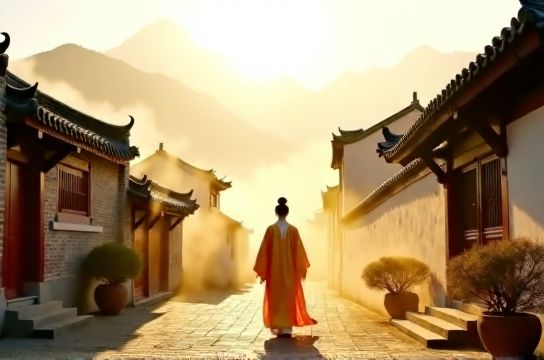
China isn’t just about skyscrapers and high-speed trains (though they’re pretty cool). Beneath the modern surface beats the pulse of dynasties past—from Confucian wisdom to Silk Road secrets. And the best way to experience it? Slow down, listen, and connect.
Why Deep Cultural Travel Matters
Tourism used to mean checking off landmarks: Great Wall, check! Forbidden City, check! But real connection? That takes curiosity. Deep cultural travel is about immersion—living like locals, understanding traditions, and respecting heritage.
A 2023 UNWTO report found that over 68% of international travelers now prioritize “authentic experiences” over typical sightseeing. In China, this shift is opening doors to rural villages, Buddhist monasteries, and centuries-old crafts that mainstream tourism often overlooks.
Top 4 Destinations for Cultural Immersion
Forget cookie-cutter tours. Here are four places where history breathes through everyday life:
- Lijiang, Yunnan – Walk cobbled lanes in this UNESCO-listed town, home to the Naxi people. Learn Dongba script, one of the last pictographic writing systems still in use.
- Suzhou, Jiangsu – The “Venice of the East” dazzles with classical gardens and silk-making traditions dating back to the Song Dynasty (960–1279 AD).
- Xian, Shaanxi – Yes, the Terracotta Army is epic—but stay longer. Join a calligraphy class or taste hand-pulled biangbiang noodles while listening to Qin opera.
- Dunhuang, Gansu – Gateway to the Mogao Caves, this desert oasis was a Silk Road hub. At night, stargaze like ancient traders did under endless skies.
Cultural Insights at a Glance
Let’s break it down with some real data on what makes these spots so special:
| Destination | UNESCO Site? | Historical Era | Unique Cultural Feature |
|---|---|---|---|
| Lijiang | Yes (1997) | Naxi Kingdom (7th–13th c.) | Dongba manuscripts & nature worship |
| Suzhou Gardens | Yes (1997, expanded 2000) | Song to Qing Dynasties | Precision landscaping & poetry integration |
| Xian | Yes (Mausoleum of First Qin Emperor, 1987) | Qin Dynasty (221 BC) | Terracotta Warriors (8,000+ figures) |
| Dunhuang | Yes (Mogao Caves, 1987) | 4th–14th century AD | Buddhist art across 735 caves |
Travel Tips for Meaningful Engagement
- Learn a few Chinese phrases – Even “Nǐ hǎo” (Hello) and “Xièxie” (Thank you) open hearts.
- Respect local customs – Remove shoes before entering temples; don’t point at sacred objects.
- Support community-based tourism – Stay in family-run guesthouses or join homestays.
- Ask before photographing people – Especially elders or monks. A smile goes a long way.
Deep cultural travel isn’t about ticking boxes—it’s about building bridges across time. When you sip tea with a Daoist monk in Wudang or weave fabric with Bai artisans in Dali, you’re not just visiting China. You’re becoming part of its living story.
So pack light, tread gently, and come ready to listen. China’s past isn’t behind glass—it’s alive, waiting to connect.