
Explore Hidden Gems Among UNESCO Sites China Now
- Date:
- Views:184
- Source:The Silk Road Echo
Think you've seen all of China's wonders? Think again. Beyond the Great Wall and Forbidden City lies a treasure trove of lesser-known UNESCO World Heritage Sites that are just as breathtaking — if not more so. These hidden gems offer rich history, jaw-dropping landscapes, and cultural depth without the crowds. Let’s dive into some underrated spots that deserve a top spot on your travel bucket list.
Why Visit Underrated UNESCO Sites in China?
While over 1.4 billion people call China home, only a fraction explore its quieter heritage sites. According to UNESCO, China ranks second globally with 57 World Heritage Sites — yet less than 10% of tourists visit the off-the-beaten-path locations. That means fewer queues, better photos, and deeper cultural immersion.
Top Hidden UNESCO Gems You Can’t Miss
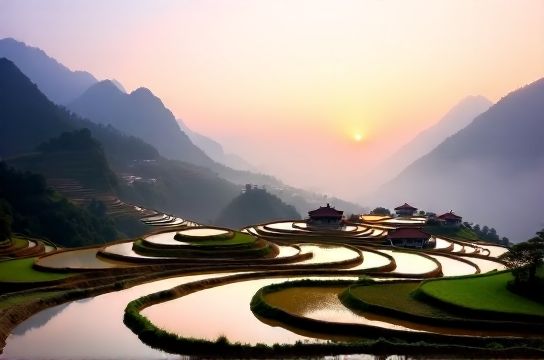
- Honghe Hani Rice Terraces (Yunnan): Carved into mountains over 1,300 years ago, these living cultural landscapes stretch across 100,000 hectares. Locals still use ancient irrigation systems passed down through generations.
- Tusi Sites (Southwest China): Scattered across Yunnan, Guizhou, and Hunan, these feudal lord estates reveal how ethnic minorities governed themselves under imperial China.
- Mount Emei and Leshan Giant Buddha (Sichuan): While the 71-meter-tall Buddha draws attention, few hike the serene trails of Mount Emei, a biodiversity hotspot with over 3,000 plant species.
Quick Facts at a Glance
| Site | Year Inscribed | Visitor Count (Annual) | Type |
|---|---|---|---|
| Honghe Hani Rice Terraces | 2013 | ~300,000 | Cultural |
| Tusi Sites | 2015 | ~180,000 | Cultural |
| Leshan Giant Buddha | 1996 | ~2 million | Mixed |
Notice the difference? The Hani Terraces get just 15% of Leshan’s foot traffic — imagine exploring vast rice fields in peaceful solitude.
Travel Tips for Authentic Experiences
Timing is everything. Visit Hani in April during transplanting season when water fills the terraces, creating mirror-like reflections. For Tusi castles, aim for local festivals like the Torch Festival (July–August) to witness traditional dances and rituals.
And here’s a pro tip: Hire a local guide. In Honghe, many guides are Hani villagers who share stories no textbook can match.
Final Thoughts
China’s UNESCO sites aren’t just about fame — they’re about connection. By venturing beyond the obvious, you don’t just see history; you feel it. So skip the selfie sticks at crowded landmarks and chase sunrises over misty rice paddies instead. These hidden gems prove that sometimes, the road less traveled leads to the soul of a nation.