
Along the Grand Canal: Navigating China’s Living Cultural Artery
- Date:
- Views:267
- Source:The Silk Road Echo
Ever dreamed of cruising through 2,500 years of history? Welcome to the Grand Canal of China — not just a waterway, but a living cultural artery that stitches together empires, economies, and everyday life. Stretching over 1,776 kilometers (1,104 miles), this UNESCO World Heritage marvel connects Beijing in the north to Hangzhou in the south, threading five major river systems along the way.
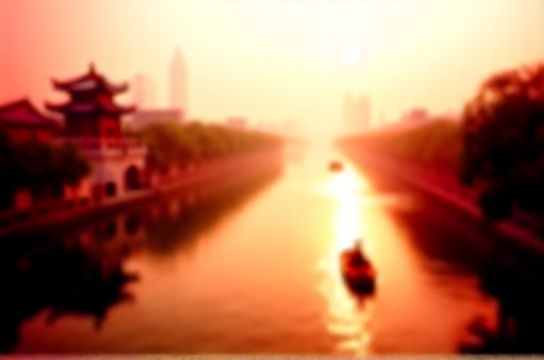
Originally begun in the 5th century BC and expanded under the Sui Dynasty (7th century AD), the Grand Canal was the Amazon Prime of ancient China — moving grain, salt, silk, and ideas long before express delivery existed. Today, it's still navigable for over 80% of its length, with some sections bustling with cargo ships while others offer serene bike paths and teahouse-lined banks perfect for slow travel.
Let’s break down what makes this canal so legendary — and how you can experience it like a modern-day Marco Polo.
Why the Grand Canal Still Matters
It’s not just history; it’s infrastructure. The canal moves over 500 million tons of cargo annually — that’s more than the Panama and Suez Canals combined! It remains a vital logistics route, especially for bulk goods like construction materials and coal.
| Canal Comparison | Length (km) | Traffic (Million Tons/Year) | Historical Age |
|---|---|---|---|
| China's Grand Canal | 1,776 | 500+ | ~2,500 years |
| Panama Canal | 82 | 300 | ~100 years |
| Suez Canal | 193 | 1,000 | ~150 years |
See that? While Suez handles more volume, the Grand Canal is older, longer, and still quietly powering China’s inland economy.
Top Routes for Travelers
- Beijing to Tianjin: Modern meets historical. Watch high-speed trains zip past ancient locks.
- Suzhou & Wuxi: The poetic heartland. Picture willow trees, stone bridges, and locals sipping Longjing tea by the water.
- Hangzhou: End your journey where the canal meets West Lake — a dreamy fusion of nature and heritage.
Prefer pedaling over paddling? The Grand Canal Greenway offers 1,200 km of scenic bike trails — one of Asia’s longest continuous urban green corridors.
Culture on the Water
This isn’t just concrete and currents. Along the banks, you’ll find opera stages, noodle shops dishing out canal-style braised pork, and elders practicing tai chi at dawn. In Yangzhou, once the Venice of the East, museums and restored merchant homes whisper tales of Silk Road traders who passed through.
The canal shaped Chinese cuisine too — the difference between northern wheat-based diets and southern rice cultures was bridged (literally) by this water highway.
So whether you're a history nerd, a foodie, or just chasing postcard-perfect sunsets over lotus-filled waters, the Grand Canal delivers. It’s not just a relic — it’s a rhythm. And it’s still flowing.