
Tea Ceremonies and Temple Bells: Deep Cultural Travel in Fujian
- Date:
- Views:222
- Source:The Silk Road Echo
Ever swapped small talk for the soft pour of oolong tea? In Fujian, China, culture isn’t just seen—it’s sipped, heard, and felt. Tucked along the southeastern coast, this province is a living museum where temple bells echo through misty mountains and every tea leaf tells a story.
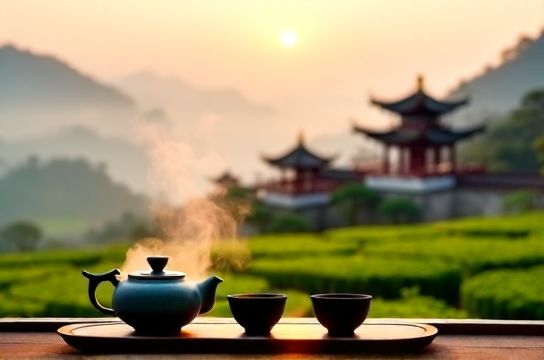
The Soul of Fujian: Tea as Tradition
Fujian is the birthplace of some of the world’s most revered teas—Tieguanyin, Da Hong Pao, and Bai Mudan. But here, tea isn’t just a drink; it’s a ritual. The Gongfu Cha ceremony—a delicate dance of water, heat, and timing—is performed daily in homes and teahouses alike.
Did you know? Fujian produces over 400,000 tons of tea annually, making it one of China’s top tea-growing regions (China National Tea Association, 2023). Wuyi Mountain alone contributes nearly 30% of high-end oolong exports.
| Tea Type | Origin in Fujian | Flavor Profile | Avg. Price (USD/kg) |
|---|---|---|---|
| Tieguanyin | Anxi County | Floral, creamy | 80–150 |
| Da Hong Pao | Wuyi Mountains | Toasted, mineral-rich | 500–2000* |
| Bai Mudan | Fuding City | Light, honeyed | 60–100 |
*Authentic old-bush Da Hong Pao can exceed $10,000/kg at auction.
Temples That Whisper History
From the coastal serenity of Nanputuo Temple in Xiamen to the cliffside monasteries of Mount Qingyuan, Fujian’s spiritual sites blend Buddhism, Taoism, and local folklore. Nanputuo, founded in the Tang Dynasty (over 1,000 years ago), welcomes more than 2 million visitors annually, not just for worship but for its Zen gardens and vegetarian feasts.
Pro tip: Arrive at dawn. There’s magic in hearing monks chant as morning fog rolls off the South China Sea.
Architecture With a Story
Don’t miss the tulou—massive earthen roundhouses built by the Hakka people. UNESCO-listed Fujian Tulou clusters, like Yongding and Nanjing, housed up to 80 families in communal harmony. These weren’t just homes; they were fortresses against bandits and symbols of unity.Staying overnight in a tulou? Yes, please. Some have been converted into cozy guesthouses where elders still brew tea on wood-fired stoves.
Cultural Tips for Deeper Travel
- Learn two phrases: “Ngoi cha la?” (Let’s drink tea?) opens doors faster than any guidebook.
- Respect temple etiquette: shoulders covered, voices low, no flash photography.
- Travel slow: Take the train from Fuzhou to Xiamen—windows frame rice paddies and pagodas like a moving postcard.
Fujian doesn’t shout. It hums—a quiet symphony of steam rising from teacups and bronze bells swaying in coastal winds. Come for the scenery, stay for the soul.