
a Cultural Pilgrimage
- Date:
- Views:246
- Source:The Silk Road Echo
Thinking about diving into the heart of Japan’s soul? Let’s talk Kyoto—a city where ancient temples whisper secrets, geishas glide through lantern-lit alleys, and every season paints a new masterpiece. This isn’t just a trip; it’s a cultural pilgrimage.
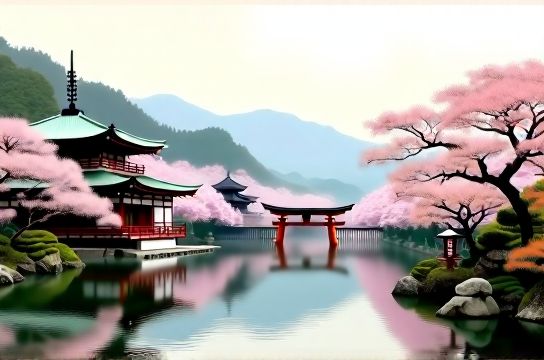
Once the imperial capital for over 1,000 years, Kyoto survived WWII bombings and emerged as Japan’s living museum. Today, it houses 17 UNESCO World Heritage Sites, over 2,000 temples and shrines, and some of the most refined traditions—from tea ceremonies to kaiseki dining.
Why Kyoto Feels Like Time Travel
Walk through Arashiyama’s bamboo grove, and you’ll swear you’ve stepped into a Studio Ghibli film. Visit Fushimi Inari at dawn, and those endless red torii gates feel almost spiritual. And if you catch cherry blossoms in full bloom? Well, that’s pure magic.
But Kyoto isn’t just about pretty sights. It’s about experience. Try a morning meditation at a Zen temple, book a private maiko (apprentice geisha) dinner, or rent a kimono and stroll through Gion like you’re in a period drama.
Top Cultural Experiences You Can’t Miss
| Experience | Location | Avg. Cost (USD) | Best Time |
|---|---|---|---|
| Tea Ceremony | Camellia Garden, Higashiyama | $40–60 | Morning |
| Kimono Rental | Gion District | $30–50/day | All day |
| Maiko Dinner | Pontocho Alley | $150–300 | Evening |
| Bamboo Forest Walk | Arashiyama | Free | Dawn |
| Zen Meditation | Ryoan-ji Temple | $20 donation | Sunrise |
When to Go? Let’s Break It Down
Seasons in Kyoto aren’t just weather—they’re events.
- Spring (March–April): Cherry blossoms peak around late March. Expect crowds, but hey—it’s worth it.
- Fall (October–November): Autumn leaves turn temples into firework displays. Kiyomizu-dera during koyo? Yes, please.
- Summer: Hot and humid, but the Gion Matsuri in July is legendary.
- Winter: Quiet, crisp, and magical with light-ups at temples like Kinkaku-ji.
Pro tip: Avoid Golden Week (late April–early May) unless you love shoulder-to-shoulder sightseeing.
Getting Around Like a Local
Taxis? Expensive. Buses? Efficient but confusing. The sweet spot? Rent a bike. Kyoto’s flat in most areas, and cycling past canals and wooden machiya houses is half the joy. Or grab a一日券 (one-day pass) for ¥700 (~$5) and hop on buses guilt-free.
And don’t skip the Nishiki Market—six blocks of foodie heaven. Try yuba (tofu skin), matcha everything, and pickled veggies that’ll change your life.
The Soul of Japan Lives Here
Kyoto doesn’t rush you. It asks you to slow down, breathe, and notice—the way moss grows on stone lanterns, how incense curls in still air, the quiet clack of geta sandals on cobblestones. This is more than tourism. It’s a journey into tradition, beauty, and stillness.
So pack light, bring curiosity, and let Kyoto work its quiet magic. Trust us—you’ll leave changed.