
Silk Roads and Sacred Sites: Tracing China's Cultural Footprints
- Date:
- Views:289
- Source:The Silk Road Echo
Ever dreamed of walking where ancient merchants traded spices, silk, and secrets under vast desert skies? Welcome to the Silk Road — not just a trade route, but a living tapestry of cultures, faiths, and forgotten empires. From Dunhuang’s cave art to Xi’an’s terra-cotta warriors, China’s cultural footprints stretch across time and terrain.
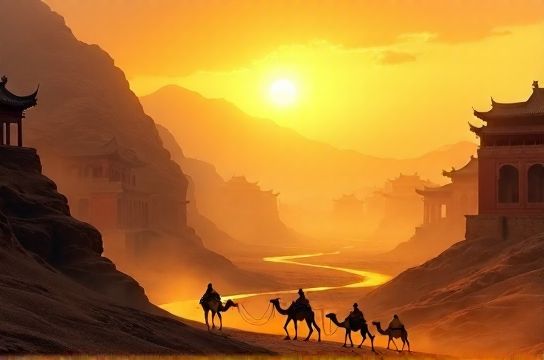
The Silk Road wasn’t one road — it was a network. At its peak around 1 CE, it spanned over 4,000 miles, linking Chang’an (modern Xi’an) with Rome. Over 1,500 years, it moved more than goods — ideas, religions like Buddhism and Islam, and technologies like papermaking traveled these dusty paths.
Top 5 Must-Visit Cultural Sites
| Site | Location | Historical Significance | Visitor Stats (Annual) |
|---|---|---|---|
| Terra-Cotta Army | Xi’an | Guardians of Emperor Qin Shi Huang | 8 million+ |
| Mogao Caves | Dunhuang | 492 Buddhist grottoes with 45,000 sq ft murals | 1.5 million |
| Yungang Grottoes | Datong | 5th-century Buddhist carvings in limestone | 3 million |
| Silk Road Museum (Dunhuang) | Dunhuang | Artifacts from 2,000 years of exchange | 1.2 million |
| Jiayuguan Fort | Gansu | Western end of the Ming Great Wall | 2 million |
Bonus tip: Visit Dunhuang in autumn. The temperatures are mild (avg. 18°C), and crowds thin out after summer. Plus, the Mogao Caves’ colors pop under golden-hour light.
Buddhism entered China via this route around the 1st century CE. By the Tang Dynasty (618–907), Dunhuang had become a spiritual hub — monks, traders, and pilgrims all left their mark. Today, UNESCO protects 16 of the Mogao Caves’ best-preserved chambers.
But it’s not all ancient history. Modern China is reviving the Silk Road spirit through the Belt and Road Initiative (BRI). Since 2013, over $600 billion has been invested in infrastructure across Asia, Africa, and Europe — echoing the old networks of connection.
So whether you're chasing history, spirituality, or just that perfect Instagram shot in a 1,000-year-old cave, China’s sacred sites and Silk Road cities deliver. Pack your curiosity — and maybe some sturdy shoes. This journey’s worth every step.