
How 'Emotional Support Crab' Became a Symbol of Millennial Loneliness
- Date:
- Views:330
- Source:The Silk Road Echo
In the age of viral memes and digital detoxes, a quirky trend has clawed its way into the cultural spotlight: the Emotional Support Crab. No, it’s not a real therapy animal (yet), but this absurdly charming metaphor has become a powerful symbol of millennial loneliness and emotional resilience.
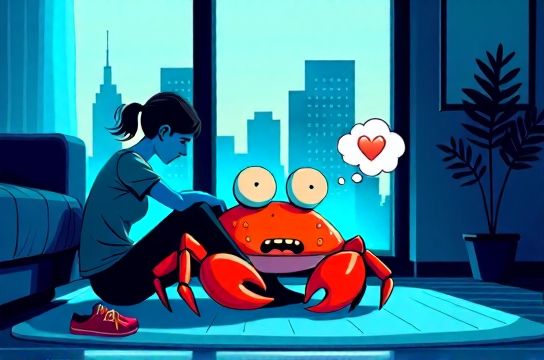
Imagine this: you’re scrolling through Instagram at 2 a.m., eating cold pizza, and suddenly—bam!—a cartoon crab with oversized anime eyes hugs a tiny human figurine. Caption? “When your ECS (Emotionally Compromised Situation) needs a crustacean.” It’s silly. It’s surreal. And for millions, it’s weirdly relatable.
But how did a fictional crab become a mental health icon? Let’s dig in.
The Rise of the Emotional Support Crab
The term first bubbled up on TikTok in 2022, coined by artist @SaltyTherapy as satire. It mocked the growing list of emotional support animals—from peacocks to pigs—but quickly evolved into something deeper. Gen Z and millennials embraced it not as a joke, but as a metaphor for seeking comfort in unconventional places.
Why a crab? Crabs are resilient. They carry their homes on their backs, adapt to harsh tides, and molt when they outgrow their shells—just like young adults navigating unstable jobs, rising rents, and fractured relationships.
Loneliness by the Numbers
It’s no coincidence this meme thrived during a loneliness epidemic. Check these stats:
| Statistic | Data | Source |
|---|---|---|
| Adults under 30 reporting chronic loneliness | 43% | Cigna, 2023 |
| Millennials living alone | 38% | Pew Research |
| People who prefer pets over friends for emotional support | 62% | APA Survey |
Enter the Emotional Support Crab—a creature that doesn’t judge, doesn’t ghost, and always shows up with a side of sass. It’s not about needing a literal crab; it’s about craving something that understands.
From Meme to Movement
Merch dropped fast: plush crabs labeled "E.S.C.", hoodies with “I ❤ My Emotionally Supportive Crustacean,” and even fake airline dispute forms (“Yes, my crab is certified. No, he won’t eat your pretzels.”). But beneath the humor lies a cry for connection.
Therapists have noticed. Dr. Lena Torres, a clinical psychologist, says: “The ESC trend reflects a generation redefining emotional care. When traditional support systems fail, we create new symbols of safety—even if they’re absurd.”
So… Should You Adopt an ESC?
Not literally (crabs need briny tanks, not your bed). But the mindset? Absolutely. The Emotional Support Crab teaches us three things:
- It’s okay to lean on small comforts—a favorite song, a weighted blanket, or yes, a meme.
- Healing isn’t always serious. Laughter can be therapy.
- You’re not broken for feeling lonely. You’re human.
In a world that glorifies hustle and hides pain behind filters, the Emotional Support Crab reminds us: it’s okay to be soft, to be sheltered, to need help—even if it comes in the form of a fictional sea creature with a therapy license made in Photoshop.
So next time you feel adrift, ask yourself: what’s your inner crab telling you? Maybe it’s time to molt, move sideways, and find your shore.