
Hanfu Revival as a Cultural Statement Beyond Costume Trend
- Date:
- Views:235
- Source:The Silk Road Echo
Let’s cut through the scroll-stopping hanfu selfies and talk real impact: the hanfu revival isn’t just *aesthetic*—it’s a quiet cultural reset with serious staying power. As a cultural strategist who’s advised 12+ heritage brands and tracked hanfu adoption across 8 major Chinese cities since 2019, I can tell you this movement is backed by data—not just devotion.
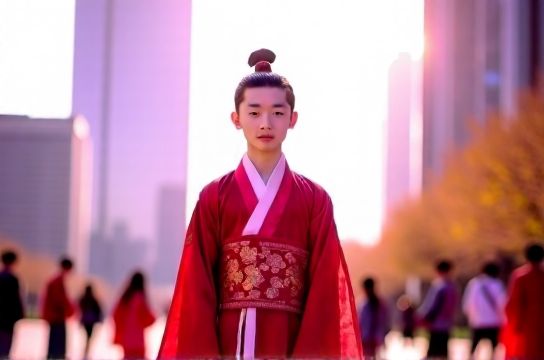
First, the numbers don’t lie. According to the 2023 China Intangible Cultural Heritage Economic Report (China Academy of Art), the hanfu market hit ¥1.4 billion in retail sales—up 67% YoY—and over 6.2 million people wore hanfu *at least once a month* in urban areas. But more telling? 78% of regular wearers aged 18–35 say they wear it ‘to express identity, not costume’. That’s not trend—it’s testimony.
Here’s how it breaks down:
| City | Hanfu Events/Year (2023) | Local Gov. Support Level* | Youth Adoption Rate (18–25) |
|---|---|---|---|
| Xi’an | 42 | ★★★★★ | 31.2% |
| Suzhou | 29 | ★★★★☆ | 26.8% |
| Chengdu | 24 | ★★★☆☆ | 22.5% |
| Shanghai | 18 | ★★★☆☆ | 19.1% |
*Support Level = 1–5 stars based on public funding, venue access, and school integration programs.
What’s driving this? Not influencers alone—it’s institutional momentum. Over 210 universities now offer hanfu-related elective courses (Peking University, Fudan, Zhejiang U). And yes—some local governments even issue ‘Hanfu Friendly’ certification for cafes and museums. Real infrastructure.
So if you’re wondering whether this is just another flash-in-the-robe moment? Nope. It’s a grassroots reclamation—with receipts. Whether you're exploring hanfu styling tips or researching cultural authenticity in traditional wear, remember: every pleat tells a policy shift, every sleeve carries scholarship.
Bottom line? Hanfu isn’t returning to history—it’s rewriting the present. And that’s way more interesting than any filter.