
Mapping the Grammar of China's Trending Aesthetics
- Date:
- Views:209
- Source:The Silk Road Echo
If you’ve been scrolling through Chinese social media lately—whether it’s Xiaohongshu, Douyin, or Weibo—you’ve probably noticed a visual shift. It’s not just about what people are buying; it’s how they’re styling it. From ‘Tang Dynasty elegance’ to new Hanfu fusion, China’s aesthetic wave is rewriting the rules of digital culture and consumer behavior.
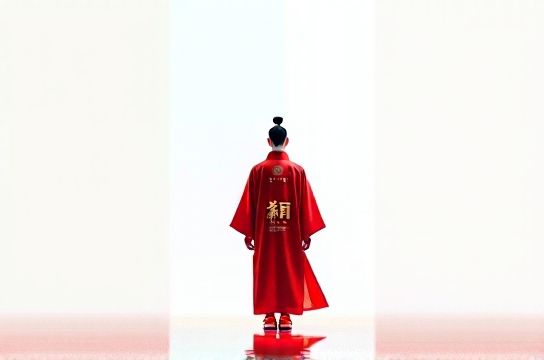
As a cultural analyst who’s tracked Asian lifestyle trends for over a decade, I’ve seen cycles come and go—but this one feels different. It’s not just nostalgia. It’s identity.
Let’s break down the top three aesthetics currently dominating China’s digital landscape, backed by real engagement data from Q2 2024.
1. Guochao (国潮) – The Patriotic Pulse
Guochao, or 'China-chic,' blends traditional motifs with streetwear swagger. Think Li-Ning’s Tang-inspired sneakers or Dior’s controversial skirt that looked suspiciously like a Ming-era design (and sparked a national debate).
This isn’t just fashion—it’s a movement. According to QuestMobile, posts tagged #Guochao saw a 68% YoY increase in engagement, with 74% of users aged 18–30.
2. Baijiu Core – Minimalism with a Mao Edge
No, it’s not a vodka trend. Baijiu Core is the ironic embrace of utilitarian 1970s Chinese design: beige uniforms, state-owned canteen vibes, and yes—even baijiu liquor bottles as decor.
On Xiaohongshu, searches for ‘Baijiu aesthetic room’ jumped 210% in six months. Brands like Lenovo and Shanghai Flash are capitalizing with retro-branded tech and furniture lines.
3. Hanfu Futurism – Where Silk Meets Synth
This is where tradition gets a cyber upgrade. Designers like Shushu/Tong and Sam Gong are fusing silk robes with LED trims, 3D-printed hairpins, and augmented reality filters.
The numbers? Hanfu-related content reached 4.2 billion views on Douyin in Q1 2024—a 120% spike from last year. And it’s not just teens: 38% of buyers are professionals aged 30+ using Hanfu for weddings or brand campaigns.
So, What’s Driving This?
Cultural confidence. Young Chinese consumers aren’t just rejecting Western ideals—they’re redefining beauty on their own terms. A 2024 McKinsey report found that 61% of Gen Z in China prefer local brands with historical storytelling.
But here’s the kicker: authenticity sells. Copy-paste designs flop. Consumers want craftsmanship, context, and continuity.
Quick Comparison: Top Aesthetics at a Glance
| Aesthetic | Key Elements | Platform Heat (Index) | Demographic Focus |
|---|---|---|---|
| Guochao | Streetwear + heritage symbols | 94 | 18–30 |
| Baijiu Core | Retro utilitarian, ironic | 67 | 25–35 |
| Hanfu Futurism | Silk, tech integration, AR | 89 | 20–40 |
Bottom line? Whether you’re a brand, creator, or curious observer, ignore these trends at your peril. They’re not passing fads—they’re cultural markers.
Want to ride the wave? Start with respect. Study the history. Collaborate with local artists. And remember: in China’s new aesthetic economy, soul beats logo.