
Cyberpunk Meets Tradition in Urban China Aesthetics
- Date:
- Views:233
- Source:The Silk Road Echo
If you’ve scrolled through Instagram or Pinterest lately, you’ve probably seen those neon-lit alleyways in Shanghai or the futuristic skyline of Chongqing melting into misty mountain vibes. Welcome to the era where urban China aesthetics aren’t just about skyscrapers—they’re a full-blown cultural mashup of cyberpunk grit and ancient tradition.
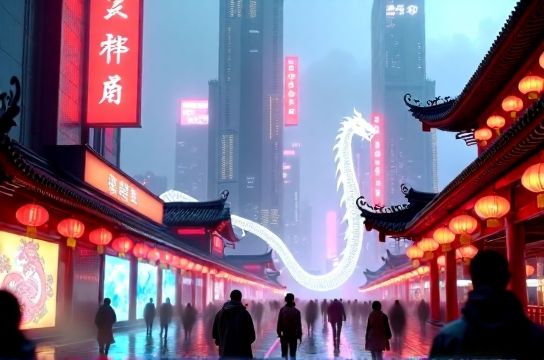
I’ve spent the last three years exploring how cities like Chengdu, Xi’an, and Shenzhen are redefining modern Chinese identity through design, architecture, and street culture. And let me tell you—this isn’t just pretty lighting. It’s intentional storytelling.
Take a walk through Chengdu’s Taikoo Li district: on one side, you’ve got glass-and-steel boutiques lit with electric blue LEDs; on the other, centuries-old timber teahouses serving jasmine brew in hand-thrown clay cups. This contrast? It’s not accidental—it’s strategic urban branding at its finest.
The Data Behind the Glow
A 2023 report by the China Urban Design Institute found that over 68% of young consumers (ages 18–35) prefer shopping districts that blend traditional elements with modern tech. Cities leaning into this hybrid style saw a 41% increase in foot traffic compared to conventional malls.
| City | Traditional Elements Used | Modern Tech Integration | Youth Visitor Growth (2022–2023) |
|---|---|---|---|
| Chengdu | Sichuan courtyard layouts, tea culture | AR wayfinding, smart lighting | +49% |
| Xi’an | Tang dynasty color palettes, gate motifs | Holographic history tours | +37% |
| Shenzhen | Lingnan-style roof accents | AI-guided retail zones | +52% |
As you can see, it’s not just about looking cool (though, let’s be real, it does). These cities are using urban China aesthetics as a tool for cultural continuity and economic engagement.
Why This Fusion Works
Gen Z and young millennials crave authenticity—but they also want convenience and spectacle. By embedding heritage into high-tech environments, designers create emotional resonance without sacrificing function.
In Xi’an, the Great Tang All Day Mall uses projection mapping to animate murals from the Tang Dynasty across its facade every evening. Foot traffic jumps by 60% during showtimes. Meanwhile, Shenzhen’s MixC World integrates AI mirrors that suggest outfits based on traditional Hanfu silhouettes—blending past and future in real time.
What’s Next?
Cities planning 2025 urban renewals—like Hangzhou and Ningbo—are already piloting ‘memory lanes’ with scent diffusion (think: incense, wet stone, night-blooming jasmine) synced to ambient soundscapes. Early tests show a 28% longer average visitor stay.
The takeaway? The most successful urban spaces in China aren’t choosing between old and new. They’re fusing them—and winning both culturally and commercially.