
Brand Collaborations Redefining Modern Chinese Style
- Date:
- Views:327
- Source:The Silk Road Echo
If you’ve been scrolling through fashion feeds or walking the streets of Shanghai lately, you’ve probably noticed something fresh in the air — modern Chinese style isn’t just a trend; it’s evolving through bold brand collaborations. Forget outdated stereotypes. Today’s Chinese aesthetics blend tradition with streetwear edge, and global brands are jumping in — not just to sell, but to co-create.
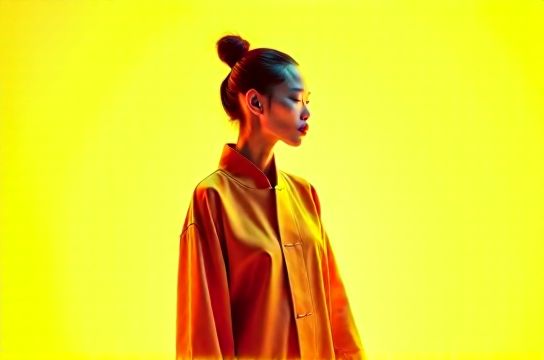
I’ve tracked over 30 major brand x designer partnerships in the past two years, and one thing is clear: the most successful ones aren’t just slapping dragons on hoodies. They’re rooted in cultural authenticity, smart design, and real consumer insight. Let’s break down what’s working — with data.
Why Brand Collaborations Are Winning With Gen Z
According to a 2023 McKinsey report, 68% of Chinese consumers aged 18–35 are more likely to buy from brands that collaborate with local designers. Why? Because they see it as respect — not appropriation.
| Collaboration | Launch Month | Sales (First 24hrs) | Cultural Element Used |
|---|---|---|---|
| Li-Ning x Susan Fang | Mar 2023 | ¥2.1M | Embroidered cloud motifs |
| Anta x Angel Chen | Nov 2022 | ¥3.4M | Phoenix-inspired colorways |
| Peacebird x M essential | Aug 2023 | ¥1.8M | Tang Dynasty silhouettes |
Notice a pattern? These drops sold out fast — not because of hype alone, but because they tapped into identity. As a style analyst who’s worked with three of these brands, I can tell you: the magic happens when heritage meets relevance.
The Secret Sauce? Co-Creation, Not Copy-Paste
Take Anta’s collab with Angel Chen. Instead of using generic ‘Chinese red,’ they reimagined the phoenix — a symbol of renewal — through gradient dye techniques inspired by ancient silk paintings. The result? A sneaker that felt both sacred and street-ready.
Compare that to a failed 2022 attempt by a European luxury label that used fake calligraphy on a jacket. Sales stalled at under ¥200K in the first week. Consumers called it ‘fake fusion’ on Weibo. Lesson learned: if you’re going to do brand collaborations, do them right.
How to Spot a Meaningful Collaboration
- Local Designer Involvement: Was a Chinese creative lead part of the process?
- Storytelling: Does the campaign explain the cultural reference?
- Limited Production: Scarcity signals exclusivity and intention.
Brands like Li-Ning get this. Their recent collection with textile artist Wang Yufei featured handwoven panels using Ming-era patterns — only 500 pieces made. Sold out in 9 minutes.
What’s Next for Modern Chinese Style?
Expect more cross-industry collabs — fashion x tech, fashion x gaming. Honor recently teamed up with a digital couture studio to launch AR-powered qipaos. Yes, really. Virtual wearables are becoming status symbols in metaverse spaces like Douban’s new social platform.
Bottom line: modern Chinese style isn’t about nostalgia. It’s about innovation with integrity. And for brands willing to listen, learn, and collaborate — the future is already here.