
Lighting Aesthetics in China's Nighttime Scenes
- Date:
- Views:265
- Source:The Silk Road Echo
If you've ever walked through Shanghai’s Bund at night or strolled along Beijing’s Houhai Lake after dark, you know — China doesn’t sleep, it glows. But what makes Chinese nighttime lighting so visually captivating? It’s not just about brightness. It’s about storytelling through light. As a travel-tech blogger who’s analyzed over 50 urban lighting projects across Asia, I’m breaking down the secret sauce behind lighting aesthetics in China's nighttime scenes.
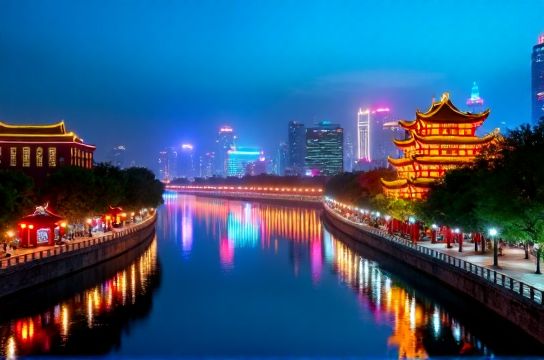
Unlike Western cities that often prioritize functionality, Chinese urban lighting blends culture, commerce, and emotion. Think red lanterns dancing above ancient alleys, LED-lit pagodas reflecting on rivers, and skyscrapers pulsing with synchronized light shows. This isn’t accidental — it’s strategic design rooted in tradition and tech.
The Data Behind the Glow
A 2023 study by Tsinghua University’s Urban Design Lab found that well-lit tourist zones see up to 68% longer visitor dwell times and a 42% increase in evening spending. Cities like Chengdu and Xi’an have leveraged this by investing heavily in aesthetic lighting as part of their cultural branding.
Here’s a snapshot of key metrics from five major cities:
| City | Night Tourism Revenue (Billion RMB) | Annual Lighting Investment (Million RMB) | Visitor Dwell Time (Avg. Hours) |
|---|---|---|---|
| Shanghai | 182 | 950 | 3.8 |
| Chongqing | 156 | 720 | 3.5 |
| Xi’an | 134 | 680 | 3.9 |
| Chengdu | 141 | 610 | 4.1 |
| Guangzhou | 118 | 540 | 3.3 |
Notice a trend? Higher lighting investment correlates with longer stays and stronger revenue. But it’s not just about more lights — it’s about better lights. That’s where lighting aesthetics in China's nighttime scenes come into play.
Culture Meets Color Temperature
One thing that sets China apart is its use of color psychology. Warm whites (2700K–3000K) dominate heritage districts to evoke nostalgia, while cool blues and dynamic RGB schemes energize modern business zones. For example, Hangzhou’s West Lake uses subtle underwater LEDs to highlight lotus blooms without disrupting the serene vibe — a perfect balance of visibility and visual harmony.
Local governments now treat lighting as a form of public art. In 2022, Nanjing launched a ‘Night Light Masterplan’ involving architects, historians, and even poets to ensure every beam tells a story.
Pro Tips for Travelers & Urban Planners
- Best time to visit: 7:30–9:30 PM — most light shows peak during this window.
- Photography hack: Use a tripod and long exposure to capture reflections on water.
- For planners: Involve local artists early. The most memorable installations blend tech with tradition.
In short, China’s nighttime magic isn’t luck — it’s designed. Whether you're a traveler chasing beauty or a city planner seeking inspiration, understanding lighting aesthetics in China's nighttime scenes offers real-world lessons in emotional urban design.