
Sensory Branding in China's Retail Environments
- Date:
- Views:257
- Source:The Silk Road Echo
If you're trying to win hearts (and wallets) in China’s retail scene, here’s a hot take: it’s not just about what people buy — it’s about how they feel when they walk into your store. Welcome to the world of sensory branding, where sight, sound, smell, touch, and even taste are quietly shaping consumer behavior. And trust me, brands that get this right? They’re not just selling products — they’re selling experiences.
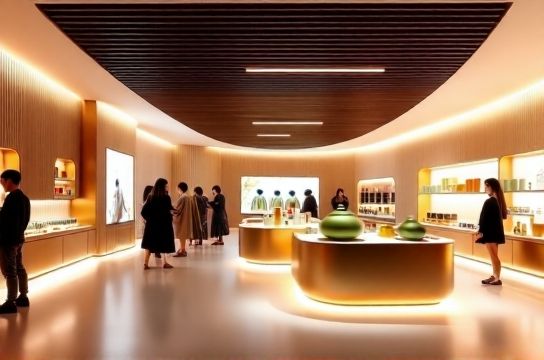
As someone who’s advised both local startups and global giants on breaking into the Chinese market, I’ve seen firsthand how sensory cues can make or break a brand’s appeal. Forget flashy ads — in cities like Shanghai and Chengdu, it’s the scent of jasmine tea in a boutique or the soft chime of a traditional melody at a flagship store that creates lasting emotional connections.
Let’s break it down with real data. A 2023 McKinsey report found that 68% of Chinese consumers are more likely to remember a brand that engages multiple senses during shopping. Even better? They spend up to 32% more on average compared to standard retail environments.
Why Sensory Branding Works in China
Cultural context matters. In China, shopping isn’t just transactional — it’s social, emotional, and often tied to identity. Think about how sensory branding taps into collective memories: the warmth of red lanterns (sight), the aroma of herbal infusions (smell), or the smooth texture of silk packaging (touch). These aren’t random choices — they’re strategic triggers.
Take Luckin Coffee, for example. Beyond their aggressive app strategy, their stores use warm lighting, subtle wood tones, and the consistent sound of espresso machines to create a ‘modern yet familiar’ vibe. Result? Over 10,000 stores in 5 years, with customer retention rates beating Starbucks in tier-2 cities.
The Five Senses, Backed by Data
Here’s a quick snapshot of how each sense influences buying decisions in China’s retail spaces:
| Sense | Influence on Purchase Intent | Top Examples in China |
|---|---|---|
| Sight | +45% | LED facades, red & gold themes, AR mirrors |
| Smell | +38% | Jasmine, green tea, sandalwood scents |
| Sound | +29% | Traditional instruments, curated playlists |
| Touch | +33% | Luxury packaging, textured walls, fabric samples |
| Taste | +41% | Free samples, in-store cafes, seasonal treats |
Notice how taste has the second-highest impact? That’s because sampling culture is huge in China — especially among Gen Z. Want proof? Look at how HeyTea uses free mini-drinks during product launches. It’s not generosity; it’s smart sensory marketing.
Pro Tips for Brands Entering China
- Localize your scent strategy: Western perfumes won’t cut it. Use notes like osmanthus or bamboo instead.
- Design for WeChat moments: Create Instagrammable zones that shoppers will share — think light tunnels or digital art walls.
- Train staff in sensory storytelling: Employees should explain not just features, but feelings — e.g., “This fabric feels like a summer breeze in Hangzhou.”
Bottom line? In China, retail is theater. The brands that succeed aren’t just visible — they’re felt. And if you’re not designing for the senses, you’re already behind.