
The Rise of Hanfu in Global Digital Culture
- Date:
- Views:269
- Source:The Silk Road Echo
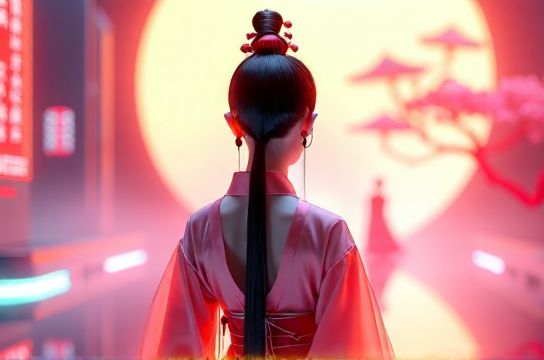
If you've been scrolling through TikTok, Instagram, or Pinterest lately, you’ve probably seen it — the soft silk sleeves, flowing robes, and elegant updos. Hanfu isn’t just a fashion trend; it’s a cultural revival sweeping across global digital platforms. And as someone who’s been deep in the world of traditional Chinese aesthetics for over five years — from styling photoshoots to advising fashion startups — I can tell you: this is more than cosplay. This is identity.
Let’s break it down with real data. According to a 2023 report by iiMedia Research, China’s Hanfu market hit 10.4 billion RMB ($1.45 billion USD) in annual sales, with over 6.7 million core consumers. But here’s the kicker — nearly 30% of social media engagement now comes from users outside mainland China, especially in Southeast Asia, North America, and Europe.
Why now? Two words: digital visibility. Platforms like YouTube and Bilibili have become cultural bridges. Take the hashtag #Hanfu — it has over 800 million views on TikTok alone. Creators are blending historical accuracy with modern flair, making it accessible without losing authenticity.
Who’s Wearing Hanfu — And Why?
Gone are the days when Hanfu was reserved for festivals or reenactments. Today’s wearers range from university students in Beijing to diaspora communities in Toronto using it to reconnect with heritage. A 2022 survey by Tencent showed that 68% of Hanfu enthusiasts are aged 15–30, proving this is a youth-driven movement.
But what about fit and accessibility? That’s where brands come in. From small indie labels to Alibaba-backed retailers, companies are offering ready-to-wear Hanfu with international shipping and size inclusivity. Some even provide QR codes linking to styling guides — genius!
A Closer Look: Popular Hanfu Styles & Global Appeal
Not all Hanfu is the same. Here’s a quick breakdown of the most adopted styles in digital content:
| Style | Era | Global Popularity (Search Volume) | Key Features |
|---|---|---|---|
| Tang-style Ruqun | Tang Dynasty | High (135K/mo) | Bright colors, high waistline, layered skirts |
| Ming-style Aoqun | Ming Dynasty | Medium (72K/mo) | Closed jacket, long pleated skirt |
| Song-style Zhiduo | Song Dynasty | Low (28K/mo) | Minimalist, scholarly look |
As you can see, Tang and Ming styles dominate — likely because they’re visually striking and photo-friendly. Perfect for Instagram grids.
How to Start Your Hanfu Journey (Without Looking Costumey)
Newbie tip: start simple. Pair a modernized Ruqun top with jeans. Or wear a light Aoqun robe as an outer layer over a dress. The key is balance — respect the roots, but make it yours.
Also, follow authentic creators. Avoid those selling “Hanfu-inspired” pieces with zero cultural context. Instead, support makers who credit historical sources — your wardrobe becomes a statement, not just a style.
In short, Hanfu’s rise isn’t accidental. It’s a blend of pride, creativity, and digital empowerment. Whether you're into fashion, history, or self-expression, there’s space for you. Just remember: wear it with meaning.