
The Evolution of 'Fanquan' Fandom Culture in the Age of Viral Trends
- Date:
- Views:241
- Source:The Silk Road Echo
In today’s hyper-connected digital world, fandoms aren’t just groups of fans—they’re full-blown cultural movements. Nowhere is this more evident than in China’s fanquan, a term that blends “fan” and “circle,” referring to highly organized, passionate communities centered around idols—often pop stars, actors, or influencers. What started as simple admiration has morphed into a sophisticated ecosystem of online mobilization, data manipulation, and even economic influence.
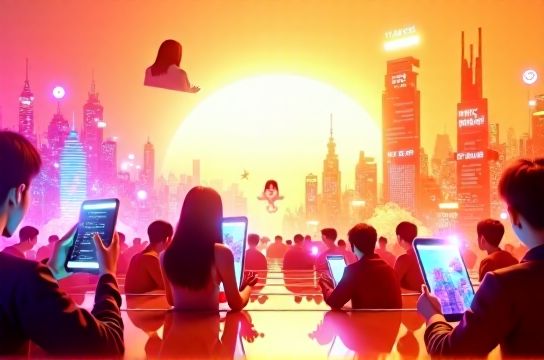
Take this: In 2023, over 480 million Chinese netizens participated in some form of fan-driven online activity, according to iResearch. Platforms like Weibo, Douyin, and QQ Music have become battlegrounds where fan squads compete daily for their idols’ visibility—boosting streams, inflating rankings, and flooding social media with curated content.
Here’s a snapshot of how fanquan tactics translate into real metrics:
| Campaign Type | Average Daily Posts (per major idol) | Song Streams (24-hour push) | Weibo Hot Search Appearances/month |
|---|---|---|---|
| Album Promotion | 50,000+ | 2M+ | 8–12 |
| Birthday Campaigns | 80,000+ | 3.5M+ | 10–15 |
| Drama Launch | 65,000+ | N/A | 12–18 |
But let’s be real—this isn’t just about love for an idol. It’s about identity, belonging, and digital clout. Many young fans, especially Gen Z, treat fanquan participation like a part-time job. They join task groups on WeChat, follow strict posting schedules, and even use AI tools to generate captions or detect rival fan attacks.
The dark side? Toxic behavior. There have been cases of doxxing, cyberbullying, and even real-world harassment when rival fan groups clash. In 2021, China’s Cyberspace Administration cracked down on “irrational fandom,” banning fake streaming and ranking manipulation. Yet, the culture adapts—moving to private forums, encrypted chats, and decentralized platforms.
Still, not all is chaos. Some fanquans fund charities in their idol’s name, organize mental health awareness drives, or support small businesses promoted by their stars. This duality—passion vs. toxicity, order vs. obsession—is what makes fanquan so fascinating.
As viral trends accelerate and short-form video dominates attention spans, fanquan culture continues evolving. It’s no longer just about supporting an idol—it’s about shaping narratives, influencing algorithms, and claiming digital space in an overcrowded online world.