
From Cute to Subversive: The Dual Nature of China’s Meme Culture
- Date:
- Views:303
- Source:The Silk Road Echo
In the sprawling digital landscape of China's internet, memes are far more than just cute cats or funny faces—they're a cultural force with bite. While Western meme culture thrives on irony and absurdism, China’s meme scene dances delicately between adorable aesthetics and subtle resistance, shaped by censorship, social pressures, and a generation fluent in digital double-speak.
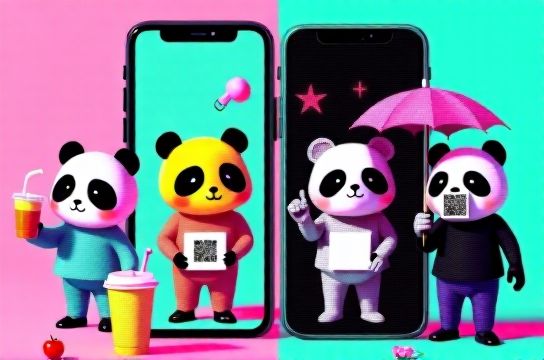
Take the iconic 'Emo Frog' or 'Baozi Dog'—seemingly innocent characters that flood WeChat chats and Douyin videos. But look closer: behind their wide eyes and pastel tones lies a coded language. A droopy-eyed cat might whisper, 'I’m tired of working 996', while a chubby panda shrugs off authority with a lazy grin. These aren’t just jokes—they’re emotional outlets for a youth navigating high-stress urban life under tight online surveillance.
Data reveals the scale: over 780 million Chinese netizens use image-based communication daily, with memes appearing in 63% of casual social media interactions (China Internet Network Information Center, 2023). Platforms like Bilibili and Xiaohongshu have become meme incubators, where creators blend kawaii visuals with satirical commentary.
The Cuteness Mask: How Aesthetics Disarm Authority
Why so much cuteness? In a regulated online space, soft visuals act as camouflage. Authorities may overlook a giggling dumpling rolling its eyes at bureaucracy, but they’d flag a direct political cartoon. This 'cute-washing' allows dissent to slip through the cracks.
| Meme Style | Visual Traits | Hidden Meaning | Platform Popularity |
|---|---|---|---|
| Kawaii Protest | Pastel colors, big eyes | Frustration with work culture | Bilibili, Weibo |
| Sarcastic Food Memes | Dancing buns, angry noodles | Social inequality | Douyin, WeChat |
| Historical Parody | Qing dynasty figures in modern scenes | Critique of bureaucracy | Bilibili, Zhihu |
As one Shanghai netizen put it: 'If I can’t say ‘I hate my boss,’ I’ll send a crying mochi instead.'
From Laughter to Liberation?
Still, this duality has limits. When memes grow too pointed—like those mocking pandemic policies—they vanish overnight. Yet, even in deletion, their impact lingers. They build solidarity, offering a shared language for the unheard.
China’s meme culture isn’t just about humor. It’s a survival tactic, a whisper in a room full of ears. And as long as the pressure builds, the memes will keep evolving—cuter, smarter, and quietly rebellious.