
Why Are So Many Young Chinese People Pretending to Be Old Online?
- Date:
- Views:307
- Source:The Silk Road Echo
In a digital world where youth is usually celebrated, an unexpected trend has taken over China's social media: young people pretending to be seniors. From TikTok (known as Douyin in China) to Xiaohongshu, millennials and Gen Zers are role-playing as retirees—complaining about back pain, sharing "old man tea" rituals, and posting videos from imaginary park bench chats. But why? Let’s dive into this fascinating cultural shift.
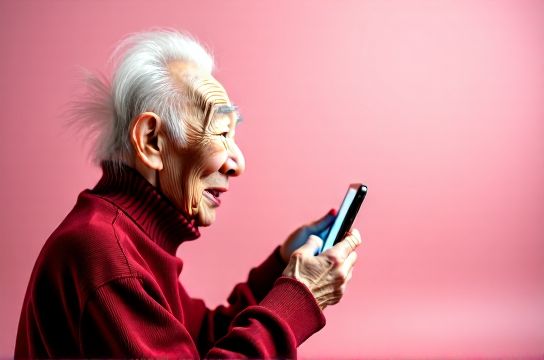
The Rise of 'Elder Role-Play' Culture
This phenomenon, often called “acting like a 70-year-old” or 老年装嫩反串 (reverse age cosplay), isn’t just random humor. It’s a mix of satire, stress relief, and subtle social commentary. According to a 2023 report by QuestMobile, users aged 18–24 generated over 60% of elder-themed content on short-video platforms—even though they make up only 35% of the total user base.
What’s Driving This Trend?
- Escapism: Facing intense work pressure (996 culture), sky-high housing costs, and societal expectations, many young Chinese see retirement as a fantasy of peace.
- Irony & Satire: By mimicking elders’ slow-paced lives, they mock their own burnout. One popular meme shows a 25-year-old lamenting, “My knees hurt after walking to the fridge.”
- Nostalgia: Some recreate 1980s–90s China aesthetics—think green thermos bottles and public square dancing—to reconnect with simpler times.
Data at a Glance: Elder-Themed Content Boom
| Platform | % of Elder-Role Videos | Avg. Engagement Rate |
|---|---|---|
| Douyin (TikTok) | 18% | 12.4% |
| Xiaohongshu | 15% | 9.8% |
| Bilibili | 12% | 14.1% |
As shown above, these videos aren’t niche—they’re mainstream. On Bilibili, one top video titled “A Day in the Life of a 70-Year-Old Me” racked up over 3 million views in a week.
Cultural Irony Meets Digital Identity
Young Chinese aren’t disrespecting the elderly—they’re using humor to process generational anxiety. In a society where success is narrowly defined (marriage, homeownership, stable job), pretending to be old becomes a quiet rebellion. As one netizen put it: “If I can’t afford to grow up, I might as well skip to being old.”
Moreover, this trend reflects a deeper longing for slower living. While Japan’s ‘forest bathing’ and Denmark’s hygge promote mindfulness, China’s youth invent fictional retirements to cope.
Is This Just a Phase?
Possibly. But it reveals real issues: mental health strain, economic pressure, and identity exploration. Brands have already noticed—tea companies and wellness apps now sponsor elder-role influencers.
In essence, this quirky online act is more than comedy. It’s a cry wrapped in laughter, a generation redefining adulthood—one fake joint ache at a time.