
The Psychology Behind China’s Obsession with 'Reverse Consumption' Trends
- Date:
- Views:390
- Source:The Silk Road Echo
In recent years, a curious trend has taken China by storm—'reverse consumption.' No, it’s not about eating dessert before dinner (though that sounds tempting). It’s a cultural and economic shift where consumers are choosing practicality over prestige, thrift over extravagance, and value over vanity.
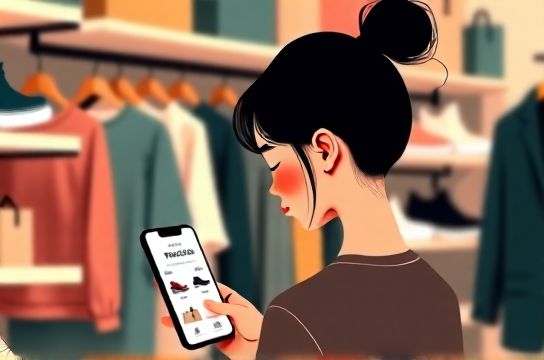
Forget flashy luxury bags or $800 sneakers. Young Chinese shoppers are now hunting for discounts on Pinduoduo, reselling secondhand goods on Xianyu, and proudly declaring, 'I bought it for 9.9 yuan!' But what’s really driving this movement? Let’s dive into the psychology, data, and social forces behind reverse consumption.
The Numbers Don’t Lie
According to a 2023 report by iiMedia Research, over 67% of Gen Z consumers in China actively practice reverse consumption—downgrading brands, buying used items, or prioritizing function over form. Meanwhile, Pinduoduo's revenue grew by 47% year-on-year in Q1 2023, while secondhand platform Xianyu reported over 100 million active users.
Here’s a snapshot of consumer behavior shifts:
| Metric | 2021 | 2023 | Change |
|---|---|---|---|
| Xianyu Active Users (millions) | 78 | 103 | +32% |
| Pinduoduo Revenue Growth (YoY) | 28% | 47% | +19 pts |
| Gen Z Preferring Value Brands | 54% | 67% | +13% |
It’s Not Just About Saving Money
Sure, inflation and post-pandemic financial caution play a role. But reverse consumption is deeper than budgeting—it’s a psychological rebellion against decades of 'keeping up with the Joneses.'
In the 2000s and 2010s, flaunting wealth was aspirational. Now, it’s almost uncool. As one Shanghai college student put it: 'Spending big on logos feels outdated. Smart spending is the new flex.'
Psychologists call this 'value recentering'—a shift from external validation to internal satisfaction. Social media amplifies it. On Xiaohongshu (China’s Instagram), posts like 'My 10-Yuan Outfit Challenge' go viral, turning frugality into a lifestyle aesthetic.
The Role of Digital Platforms
Apps didn’t create reverse consumption—but they supercharged it. Pinduoduo’s group-buy model taps into collective psychology: saving feels better when shared. Xianyu turns decluttering into a social marketplace, where selling your barely-worn sneakers funds your next bargain hunt.
Even Alibaba and JD.com have launched budget lines, proving no brand can ignore this wave.
So, What’s Next?
Reverse consumption isn’t a fad. It’s a recalibration of values shaped by economic realism, digital culture, and a generation redefining success—not by what they own, but how wisely they live.
For brands, the message is clear: authenticity and utility win. For consumers? Saving money never felt so empowering—or trendy.